U.S. Oil Prices Rise as Iran Attack on Tanker Signals Potential Supply Risks for Investors
Imagine if a main bridge in your town suddenly closed—traffic would back up for miles, and everything from groceries to gas would get more expensive. That’s what’s happening right now with oil prices because of trouble in the Middle East.
What’s Happening?
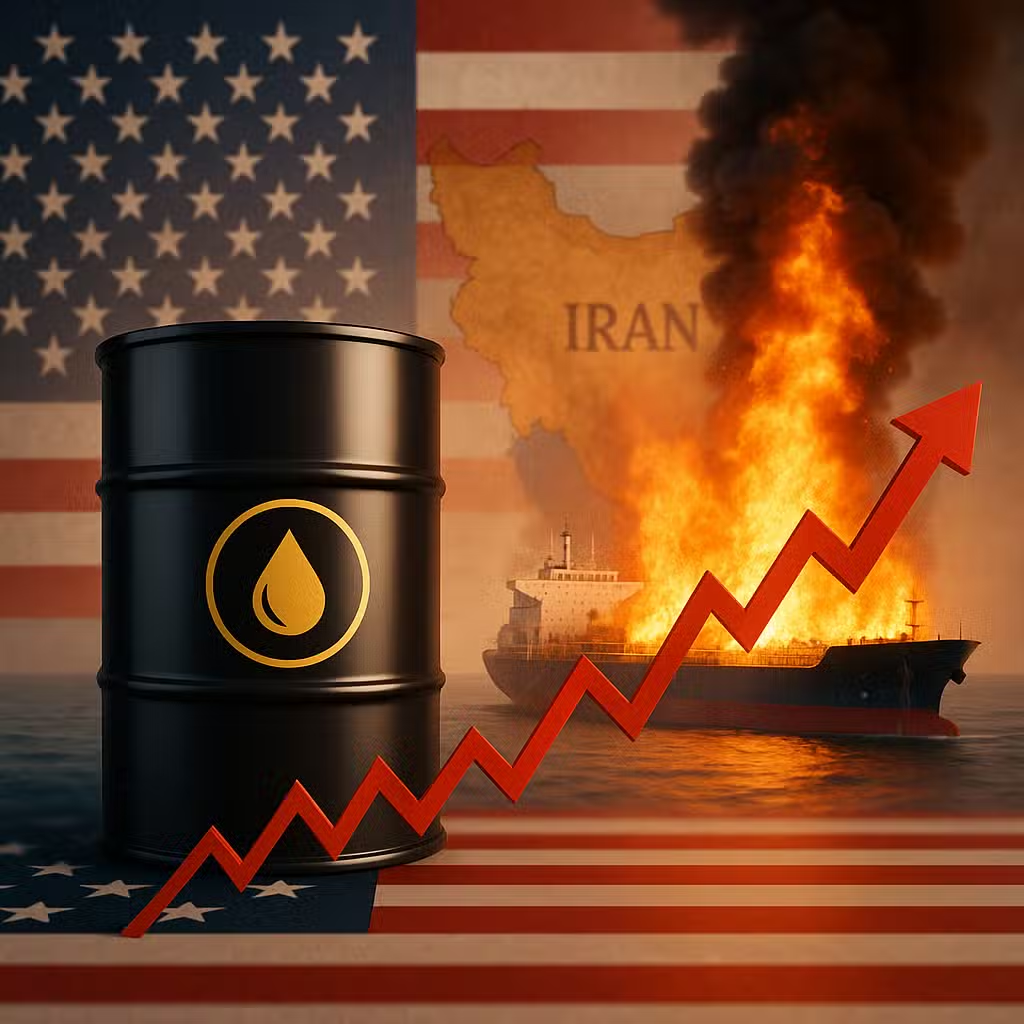
Oil prices in the U.S. shot up over $80 a barrel this week. This is because of the ongoing Iran war, which has made the Strait of Hormuz—a key route for oil tankers—too dangerous for ships to travel. This strait is like a busy highway for oil: about 20% of the world’s oil passes through it.
West Texas Intermediate oil rose by over 7%, while Brent oil went up nearly 5%. Gas prices at the pump in the U.S. jumped almost 27 cents in just a week, reaching an average of $3.25 per gallon. The last time we saw a jump like this was when Russia invaded Ukraine in 2022, according to AAA.
Why Does This Matter for Investors?
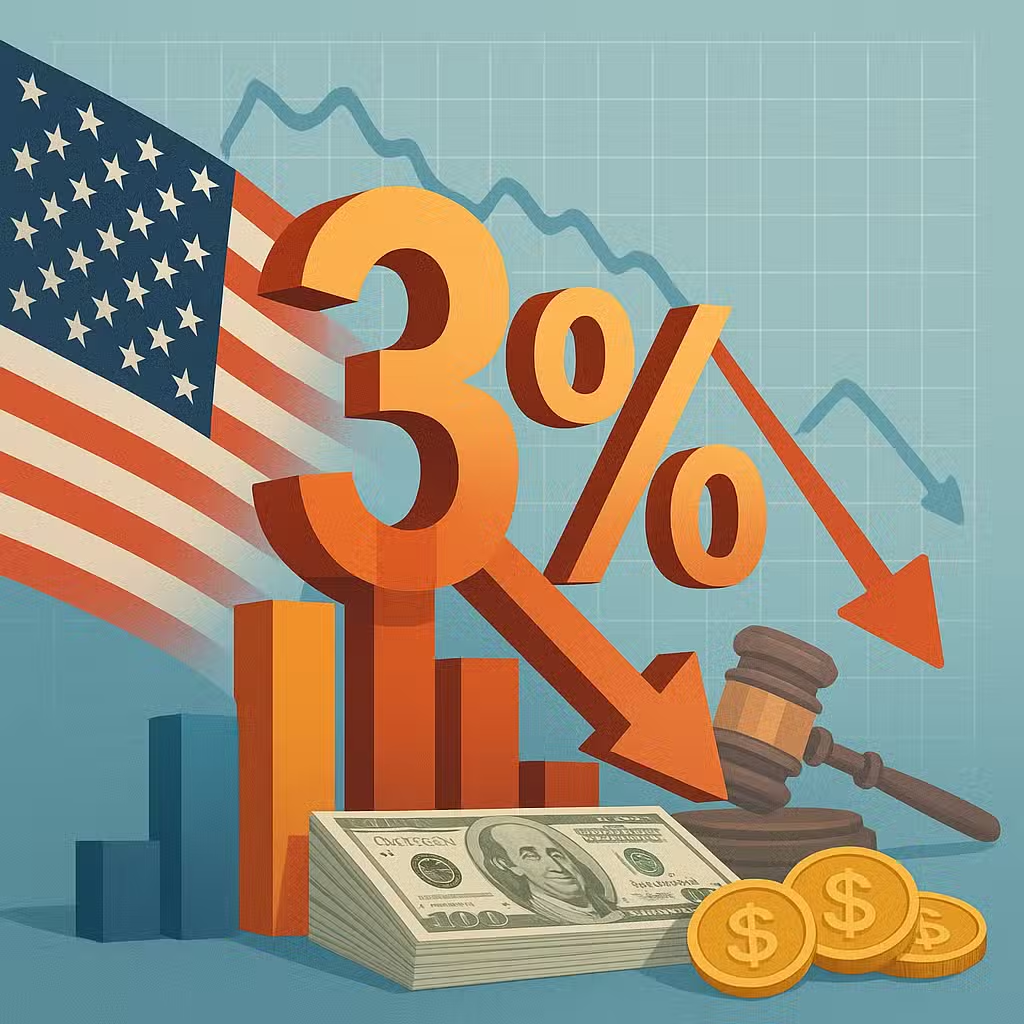
When oil prices rise fast, it affects many parts of the market and your investments. Energy stocks usually go up, but companies that use a lot of fuel—like airlines and shipping—can struggle. Higher gas prices also mean people have less money to spend elsewhere, which can slow down the economy.
Bull Case: Why Some Investors See Opportunity
- Energy stocks can soar: Oil companies may see bigger profits as prices climb.
- Inflation hedges: Commodities like oil often do well when prices in general are rising.
- Geopolitical risk premiums: Some investors buy oil when there’s global trouble, betting prices will keep rising.
Bear Case: Why Others Are Worried
- Economic slowdown: High fuel costs can make goods more expensive, slowing down growth.
- Consumer squeeze: When people pay more at the pump, they spend less elsewhere, which can hurt retail and travel sectors.
- Volatile markets: Sudden spikes in oil can make the whole stock market shaky, especially if the crisis drags on.
What History Tells Us
In 1973, the world faced a similar oil shock when Middle Eastern countries stopped selling oil to the U.S. Prices quadrupled in months, and the U.S. economy fell into recession. More recently, the 2022 Ukraine war pushed oil above $120 a barrel, showing how sensitive markets are to conflict in oil-rich regions. According to the U.S. Energy Information Administration, oil price spikes have often led to higher inflation and slower economic growth.
What’s Next?
The U.S. government says there’s no clear timeline for when it will be safe for ships to pass through the Strait of Hormuz again. The U.S. Navy may help escort tankers, but for now, many ships are waiting it out. Until the situation calms down, oil prices could stay high—or even go higher—depending on what happens next in the region.
Investor Takeaway
- Check your portfolio’s exposure to energy: If you own oil or energy stocks, expect more ups and downs ahead.
- Watch sectors sensitive to fuel costs: Airlines, shipping, and retail could see pressure if oil stays expensive.
- Consider inflation hedges: Commodities and energy funds can help protect against rising prices.
- Don’t panic, but stay alert: Volatile times can create both risks and opportunities—review your investments and keep an eye on the news.
For the full original report, see CNBC