Oil Prices May Be Due for a Pullback, Signaling Caution for Investors
Imagine playing a game of connect-the-dots, but with oil prices on a chart. Every time a gap gets filled, it’s like closing a loop in the game. Today, oil just finished a big round, and that matters for anyone with money in the market.
What Happened with Oil Prices?
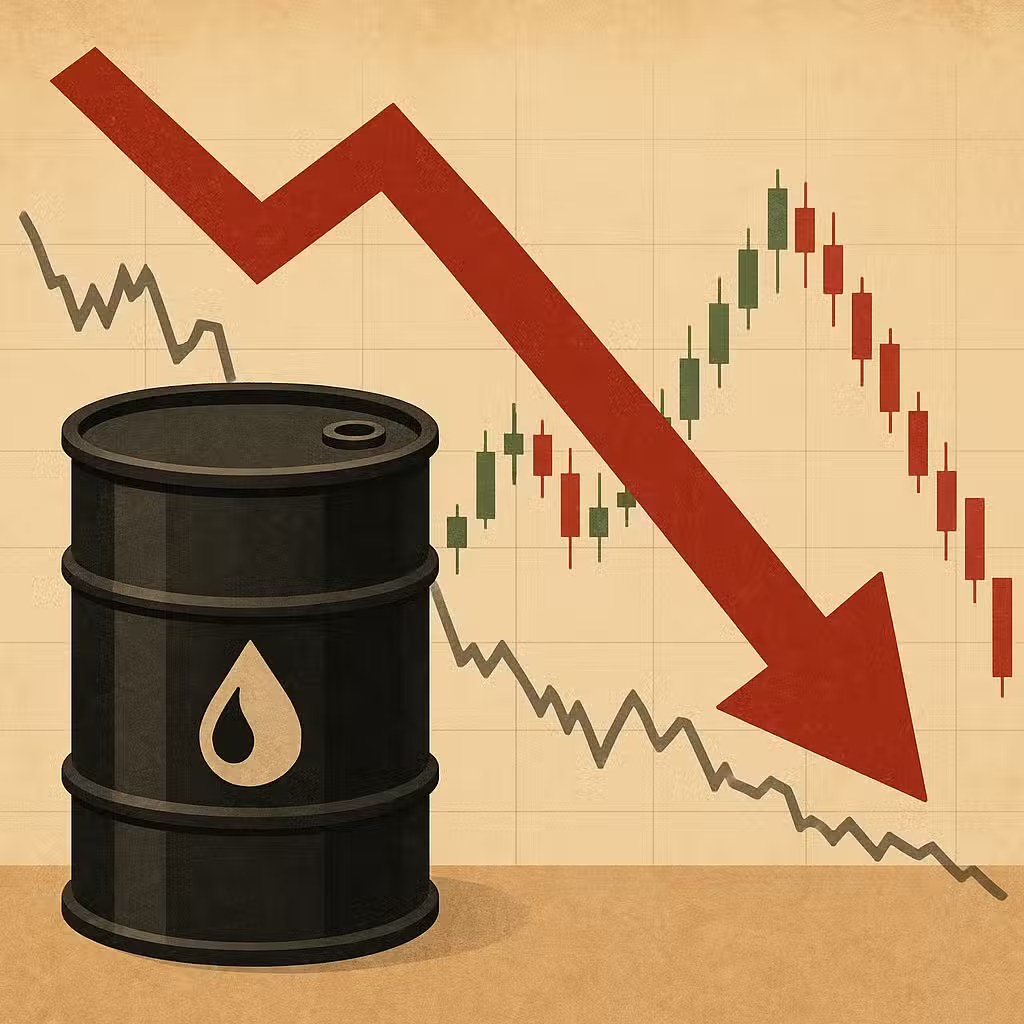
Today, the price for a barrel of WTI crude oil jumped up and closed a “gap” on the price chart that had been open since the 1980s. In trading, a gap is when the price moves sharply up or down, leaving a blank space on the chart. These gaps often get “filled” later when prices swing back to those levels.
Now, the only gap left is from a sudden price jump after a recent strike on Iran. This gap is at $67.83 per barrel, and many expect it will get filled soon, meaning oil prices might drop back down to that level.
Why Does This Matter for Investors?
Oil prices affect more than just the cost to fill your car. When oil prices move, it shakes up the entire stock market, especially for companies in energy, airlines, and transportation. Investors watch these gaps because they can signal where prices are headed next.
- If oil prices fall, it can help lower costs for many businesses and consumers.
- If prices rise, it can mean higher profits for oil companies but more expenses for everyone else.
Bull Case: Reasons to Be Positive on Oil
- Geopolitical tensions, like the strike on Iran, can keep prices high.
- Strong demand, especially in summer when people travel more.
- Some investors think oil is still a good hedge against inflation.
Bear Case: Reasons to Be Cautious on Oil
- If the gap at $67.83 gets filled, oil prices could drop fast.
- More oil supply from the U.S. and other countries could push prices lower.
- Economic slowdowns usually mean less demand for oil.
What History Tells Us
Filling price gaps isn’t just a chart trick. According to a study by CFA Institute, price gaps in financial markets often get filled, but not always right away. When they do, prices can swing quickly, which is why traders keep a close eye on them.
For example, in 2014, oil prices fell from over $100 to below $50 per barrel in just six months—showing how fast things can change when gaps get filled and market forces shift.
Investor Takeaway
- Keep an eye on the $67.83 price level—if oil drops toward that gap, energy stocks could get hit.
- Consider how oil prices affect other sectors, like airlines and shipping, which often do better when oil is cheaper.
- Don’t chase oil just because it’s hot now; history shows prices can swing back quickly.
- Diversify your portfolio so you’re not too exposed to one sector, especially something as jumpy as oil.
- Stay updated on global events, as news from places like the Middle East can move oil prices overnight.
For the full original report, see CNBC