UBS: Resolution of Iran Conflict Could Boost Select Stocks, Offering New Opportunities for Investors
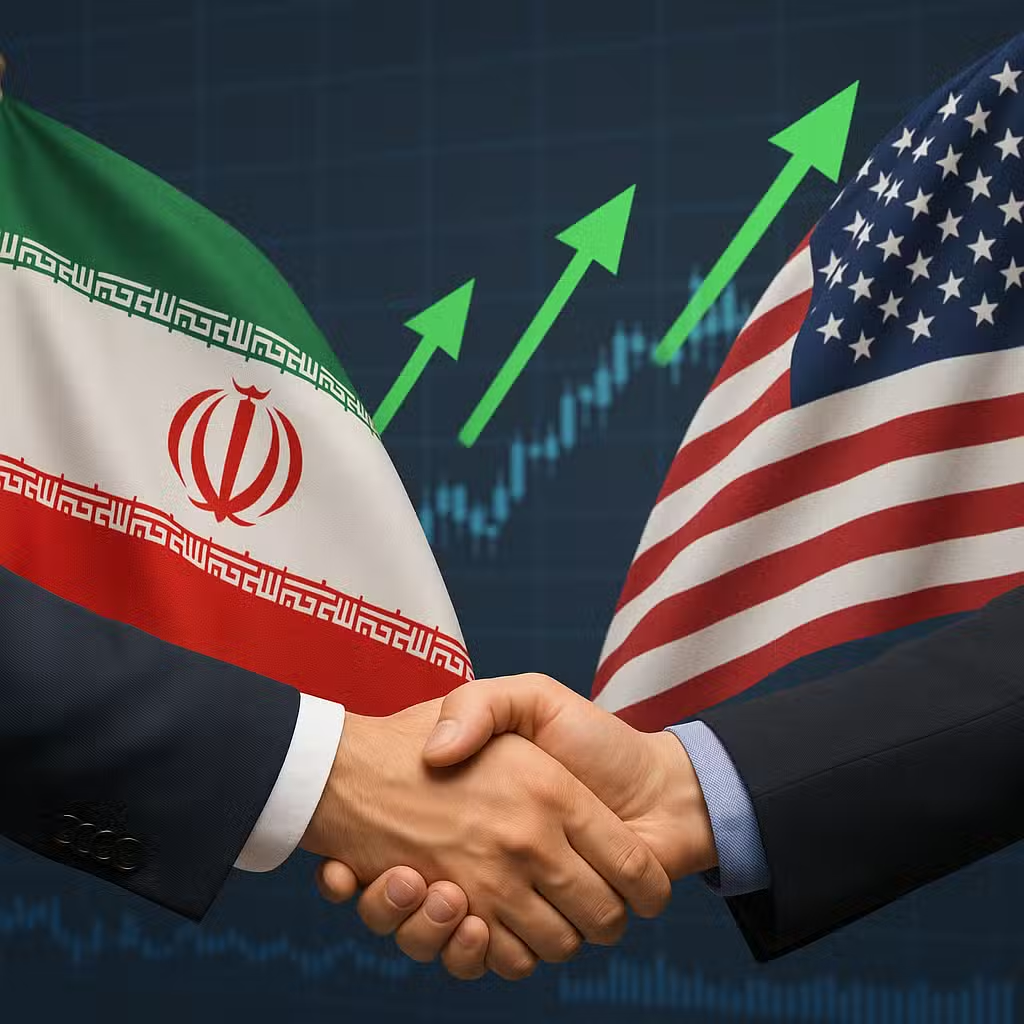
Imagine if your favorite team finally called a timeout during a tough game. Everyone wonders—will the break help the team come back stronger, or just slow down the action? That’s kind of like what’s happening right now with the U.S. and Iran’s ceasefire, and investors are watching closely to see who might win or lose if peace lasts.
Why This Matters for Investors
When countries that affect big markets stop fighting, it can change which companies do well and which ones struggle. Investors want to know where to put their money so their portfolios stay strong, no matter what happens next.
Who Could Benefit If Peace Lasts?
- Southwest Airlines: This airline’s stock dropped over 25% during the conflict, but experts at UBS say it could bounce back if things calm down. The company is making changes like assigned seats and new bag fees, which could help profits.
- Procter & Gamble (P&G): Known for products like Ivory soap and Crest toothpaste, P&G’s stock fell 14% from its high before the war. Before that, it had already climbed 17% in early 2024. A peaceful outlook could help it regain ground.
- United Parcel Service (UPS): UPS also lost about 18% during the conflict but was up 17% earlier in the year. Analysts think the stock is undervalued and could go higher if the world feels safer.
Who Could Lose If Peace Holds?
- Defense Companies: Firms like Lockheed Martin and RTX make a lot of money from military contracts. If peace sticks, they might see fewer orders and lower profits.
- Energy Producers: Big oil companies such as Exxon Mobil and ConocoPhillips often benefit when conflicts threaten oil supplies. If peace keeps oil prices steady, these companies might not do as well.
What Does History Tell Us?
Looking back, when the Gulf War ended in 1991, airline and shipping stocks jumped as oil prices fell and trade picked up. According to The New York Times, the S&P 500 rose over 5% in a single day after the ceasefire was announced. This shows that peace in major regions can quickly boost some sectors while slowing others.
Bulls vs. Bears: Pros and Cons
- Bull Case (Positive):
- Travel and shipping could get cheaper and more reliable.
- Consumer companies may see people spending more as worries fade.
- Stocks that fell during the conflict might recover, creating buying opportunities.
- Bear Case (Negative):
- Defense and energy stocks could lose momentum if demand drops.
- If the peace doesn’t last, markets could swing wildly again.
- Some investors might worry about missing out if they move money too soon.
Investor Takeaway
- Keep an eye on travel, shipping, and consumer stocks—these could bounce back fastest if peace holds.
- Consider trimming positions in defense and oil companies, as their profits may slow if tensions ease.
- Diversify your portfolio so you’re not too exposed to one sector or outcome.
- Remember that markets can react quickly to big news, so check your investments regularly.
- Stay informed—past peace deals have led to fast market changes, and being ready helps you act with confidence.
For the full original report, see CNBC