Trump’s Entry Into Mortgage Bonds: New Income Opportunities and Risks for Investors
Imagine you’re at a busy farmers market and suddenly, a famous chef announces he’ll buy up all the apples. Instantly, everyone wants apples, and the price jumps. That’s a bit like what just happened in the mortgage bond world, and it matters a lot for investors.
What Happened and Why Investors Care
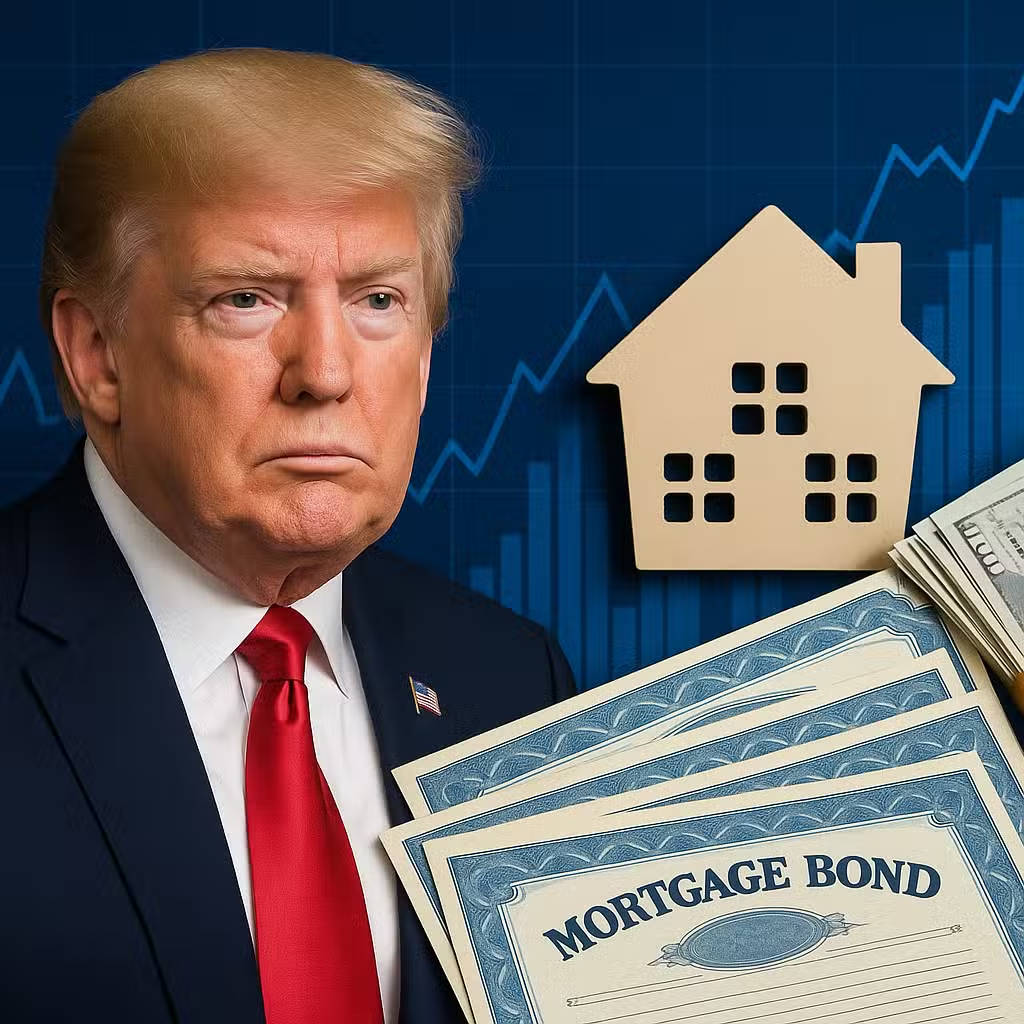
President Trump recently told Fannie Mae and Freddie Mac to buy up to $200 billion worth of mortgage-backed securities (MBS). These are bundles of home loans sold as investments. The idea is to help lower mortgage rates for homebuyers. But for investors, this move made MBS more popular and valuable overnight.
Right away, people started buying these bonds. According to UBS, the difference in yield (called the “spread”) between MBS and government bonds got 20% smaller in just one day. That means investors were willing to accept less extra reward for holding these bonds because they seemed safer and in higher demand.
The Bull Case: Why Some Investors Are Excited
- Higher Demand: When the government buys more MBS, prices usually go up, which is good for people who already own them.
- Safer Than Some Alternatives: These bonds are backed by the government, so they’re seen as less risky than many corporate bonds.
- Good Yields: Even though prices rose, the income from these bonds is still attractive, especially compared to other safe investments.
- Not Tied to the Stock Market: MBS don’t move the same way as stocks, so they can help diversify a portfolio.
In fact, a study from the Federal Reserve shows that when the government steps in to buy MBS, it often leads to lower mortgage rates and higher bond prices, which can benefit investors.
The Bear Case: Why Others Are Cautious
- Prices May Be Too High: Because so many investors rushed in, these bonds aren’t as cheap as they were before.
- Lower Future Returns: When the “spread” tightens, investors get less extra income for the risk they take.
- Profit-Taking: Some big investors were already holding lots of MBS and might start selling to lock in gains, which could push prices down.
- No Guarantees for More Help: This move might be just a “taste” of what could come, but there’s no promise of more government buying ahead.
Looking back, after similar big government purchases in 2008 and 2020, MBS prices jumped at first but then leveled off as the excitement faded (Investopedia).
What’s Next?
Some experts think this is just the start. If the government keeps looking for ways to make housing cheaper, there could be more support for mortgage bonds. Still, with prices higher, it’s harder to find a bargain.
Most of the money investors make in bonds over the next few years will come from steady income, not big price jumps. So, focusing on “compounding income” — earning interest year after year — will matter most.
Investor Takeaway
- Review your bond holdings: If you own mortgage-backed securities, check how much they’ve gained and if you’re comfortable with your exposure.
- Stay balanced: MBS can be a good way to add safety and income to your portfolio, but don’t put all your eggs in one basket.
- Watch for new policy moves: Keep an eye on announcements from the government about housing — more buying could push prices higher, but sudden changes can also cause swings.
- Focus on steady income: With prices up, the real value may come from collecting interest over time, not quick profits.
- Compare alternatives: Check how MBS stack up against other bonds or income investments; sometimes, the safer choice is the smarter one.
For the full original report, see CNBC