Oil Reaches $100: What Rising Prices Could Mean for Investors Facing Stagflation Risks
Think of the economy like a car engine: if gas prices suddenly double and the engine starts sputtering, you might not get very far. That’s what’s happening now in the U.S.—oil prices are jumping, and the job market is slowing down. Investors everywhere are watching closely, hoping this doesn’t turn into a bigger problem called “stagflation.”
Why This Matters for Investors
When oil prices go up fast and people aren’t finding new jobs, it’s a tough combo. For investors, this can shake up everything from your 401(k) to the price you pay for groceries. Sectors like energy, transportation, and food can see big changes, and the whole stock market often gets nervous.
What Is Stagflation?
Stagflation is when prices (inflation) keep going up, but the economy isn’t growing and jobs are hard to find. It’s a rare and tricky situation—like having a flat tire and running out of gas at the same time. If this sticks around, it can make stocks drop, bonds act weird, and your paycheck buy less at the store.
Bull Case: Reasons for Optimism
- History Shows Some Resilience: In the past, the U.S. has faced stagflation scares but bounced back. For example, after oil spiked in 2022, the economy eventually steadied (BLS data).
- Current Growth Isn’t Terrible: The Atlanta Fed projects 2.1% GDP growth for this quarter. That’s slower than before, but it’s still growth.
- Fed May Hold Steady: The Federal Reserve is waiting for more data before making big moves. If oil prices settle down, so might inflation and market worries.
- Sector Winners: Energy companies often do well when oil prices are high. Some investors shift money here for protection.
Bear Case: Reasons for Caution
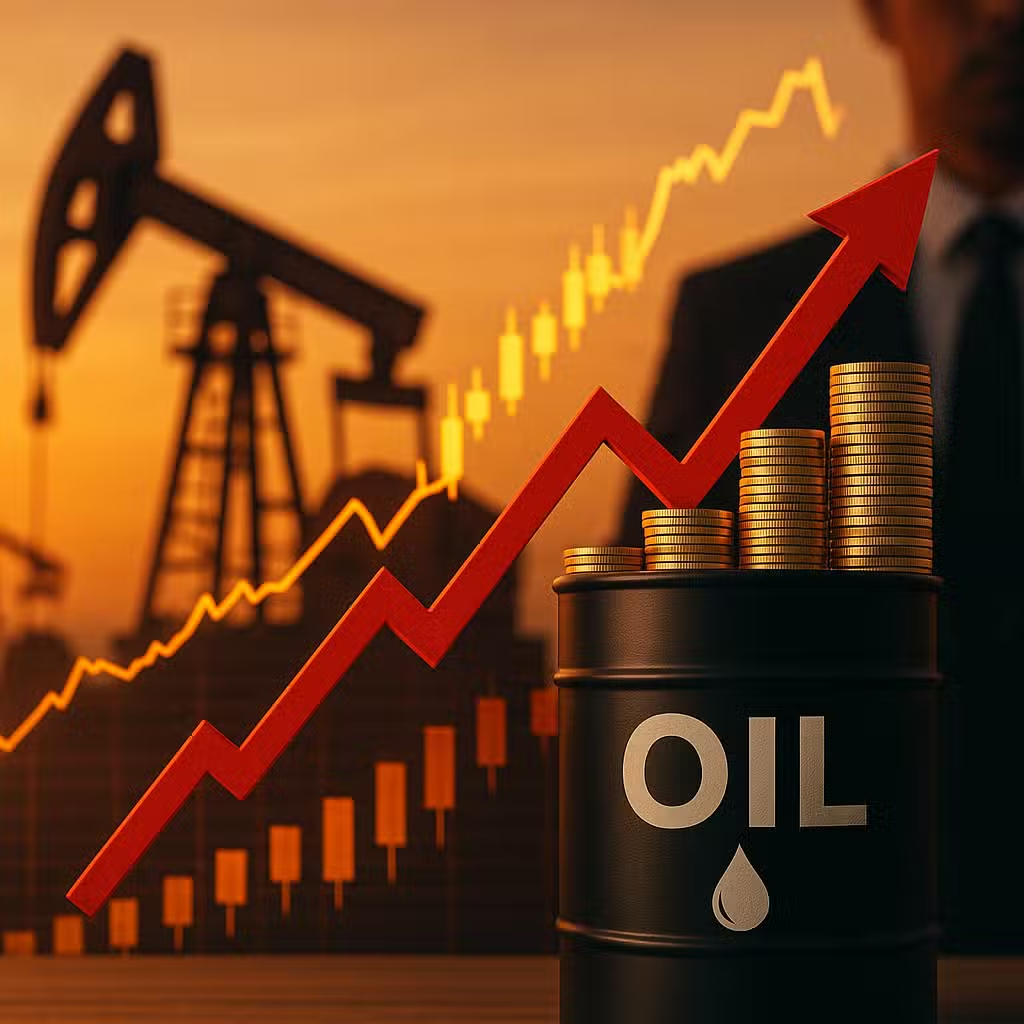
- Oil Above $100 a Barrel: Energy costs hit everyone—drivers, airlines, and companies that ship goods. High prices can push up costs across the board.
- Job Market Is Weakening: The U.S. lost 92,000 jobs in February, and unemployment is up to 4.4%. That’s a warning sign for consumer spending.
- Inflation Stays High: Inflation is at 3%, higher than the Fed’s 2% target. Rising fuel prices could make food and other goods even more expensive.
- Fed Rate Cuts Delayed: Investors expected the Fed to cut interest rates soon, but now those cuts might not come until late in the year. Higher rates can hurt stocks and slow growth.
- Risk of 1970s Replay: Some experts, like Ed Yardeni, put the odds of a 1970s-style stagflation at 35% if oil prices stay high and unrest continues in the Middle East.
What History and Data Tell Us
Stagflation is rare but serious. In the 1970s, oil shocks led to years of high inflation and low growth. But more recently, after big oil jumps, the economy has often managed to recover. According to a study by the National Bureau of Economic Research, the impact of oil price spikes on the broader economy is often less severe today than it was decades ago, thanks to more energy-efficient industries and flexible central banks.
What Should Investors Watch?
The big question now is how long oil stays high and whether the Middle East conflict cools off. If things calm down quickly, the pain might be short-lived. But if oil stays expensive and jobs keep disappearing, markets could have a rough ride.
Investor Takeaway
- Keep portfolios balanced: Don’t panic-sell, but check that you’re not too exposed to sectors that get hurt by rising costs, like airlines or retailers.
- Consider energy exposure: Energy stocks or funds can help offset higher oil prices.
- Watch economic data: Stay updated on inflation and jobs reports. If stagflation risks grow, defensive sectors like healthcare and consumer staples often hold up better.
- Be patient with rate cuts: The Fed is likely to wait for more data. Don’t base your investment strategy on quick interest rate changes.
- Stay diversified: Spreading investments across sectors and asset classes can help manage risk in uncertain times.
For the full original report, see CNBC