Netflix-Warner Bros. Deal Signals New Competition, Creating Uncertainty for Netflix Investors
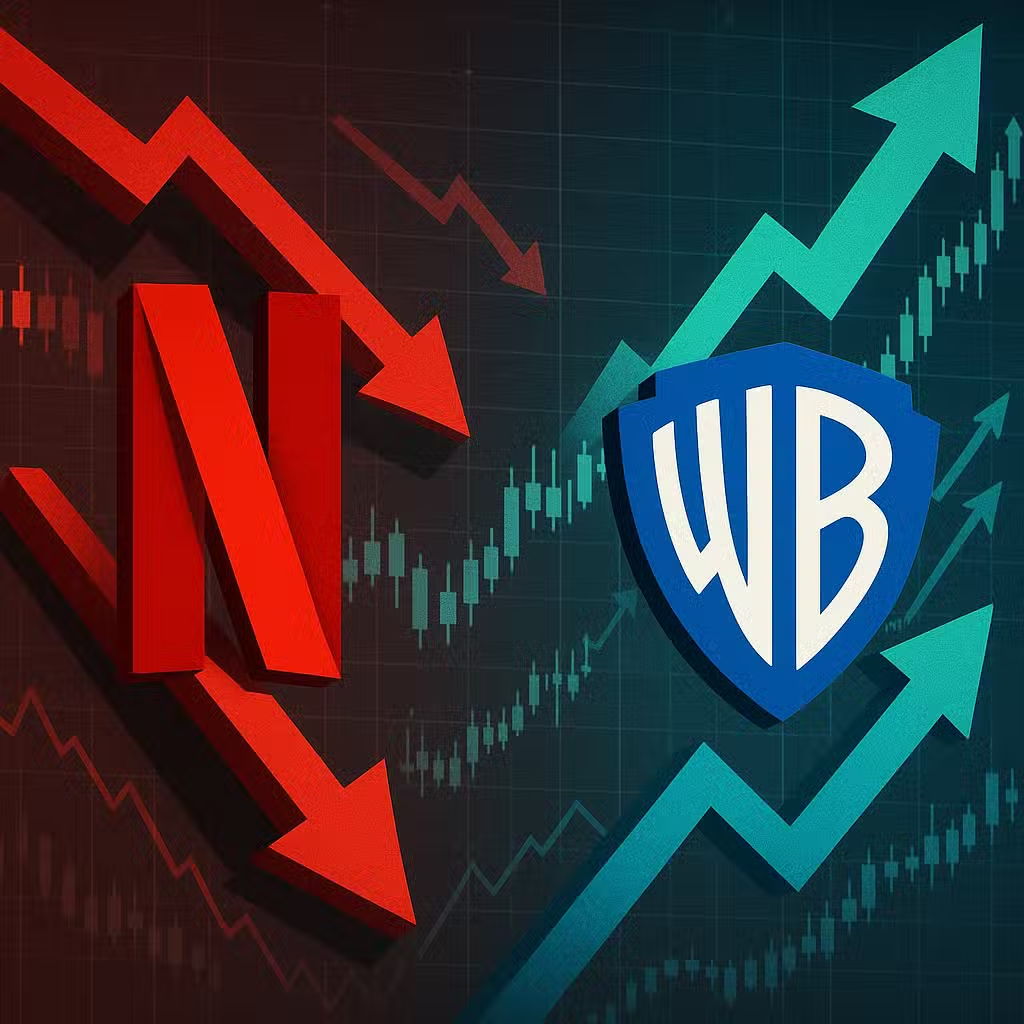
Imagine your favorite sports team just bought another team’s best players—the excitement is huge, but it takes time for everyone to play well together. That’s what’s happening with Netflix as it buys Warner Bros. Discovery and HBO Max. This is a big deal, and it could change the game for investors.
Why Investors Should Care
This news matters because Netflix is spending a lot of money to get even more movies and shows. When big companies make moves like this, it can shake up the whole stock market, especially for people who own Netflix or other media-related stocks.
The Upside: Why This Could Be Good
- More Content Variety: Netflix will own famous movies and series like “Harry Potter,” “The Wizard of Oz,” and “Game of Thrones.” This could attract more subscribers.
- Long-Term Growth: If Netflix manages these new assets well, it could grow much bigger in the future.
- Market Leadership: With this deal, Netflix could stay ahead of other streaming rivals like Disney+ and Amazon Prime Video.
According to a Statista report, Netflix already had over 260 million subscribers worldwide by early 2024. Adding more popular content could boost those numbers even higher.
The Downside: Why Investors Are Worried
- High Cost: Netflix is paying $27.75 per Warner Bros. Discovery share, plus a possible $5.8 billion fee if the deal falls through. That’s a lot of money to spend up front.
- Short-Term Pain: Experts, like Rich Greenfield from LightShed Partners, say this deal might hurt Netflix’s profits for a while before it starts to help.
- Big Risks: If Netflix can’t unlock the value from Warner Bros.’s huge library, this could backfire and hurt the stock price.
- Regulatory Hurdles: There’s heavy skepticism from government officials, which could slow down or even block the deal.
Looking back, some big acquisitions—like AOL’s merger with Time Warner in 2000—didn’t go well and lost investors a lot of money. It’s a reminder that even the flashiest deals can go wrong.
What History Tells Us
Past media mergers have been a mixed bag. Disney’s purchase of Marvel and Lucasfilm paid off with blockbuster movies and theme park deals. But others, like AT&T’s buyout of Time Warner, led to big losses and breakups later. Investors should remember that even smart-sounding deals can take years to pay off—if they work at all.
Investor Takeaway
- Watch Netflix’s next earnings reports to see if costs are rising faster than revenue.
- Diversify your portfolio—don’t put all your money in one media stock, since these deals can be risky.
- Look for other winners and losers in the streaming sector, like Disney, Amazon, or Paramount, as this deal shakes up the market.
- Keep an eye on government approval news, since any changes could move the stock price fast.
- Remember that big deals often mean short-term bumps but can offer long-term rewards—or disappointments.
For the full original report, see CNBC