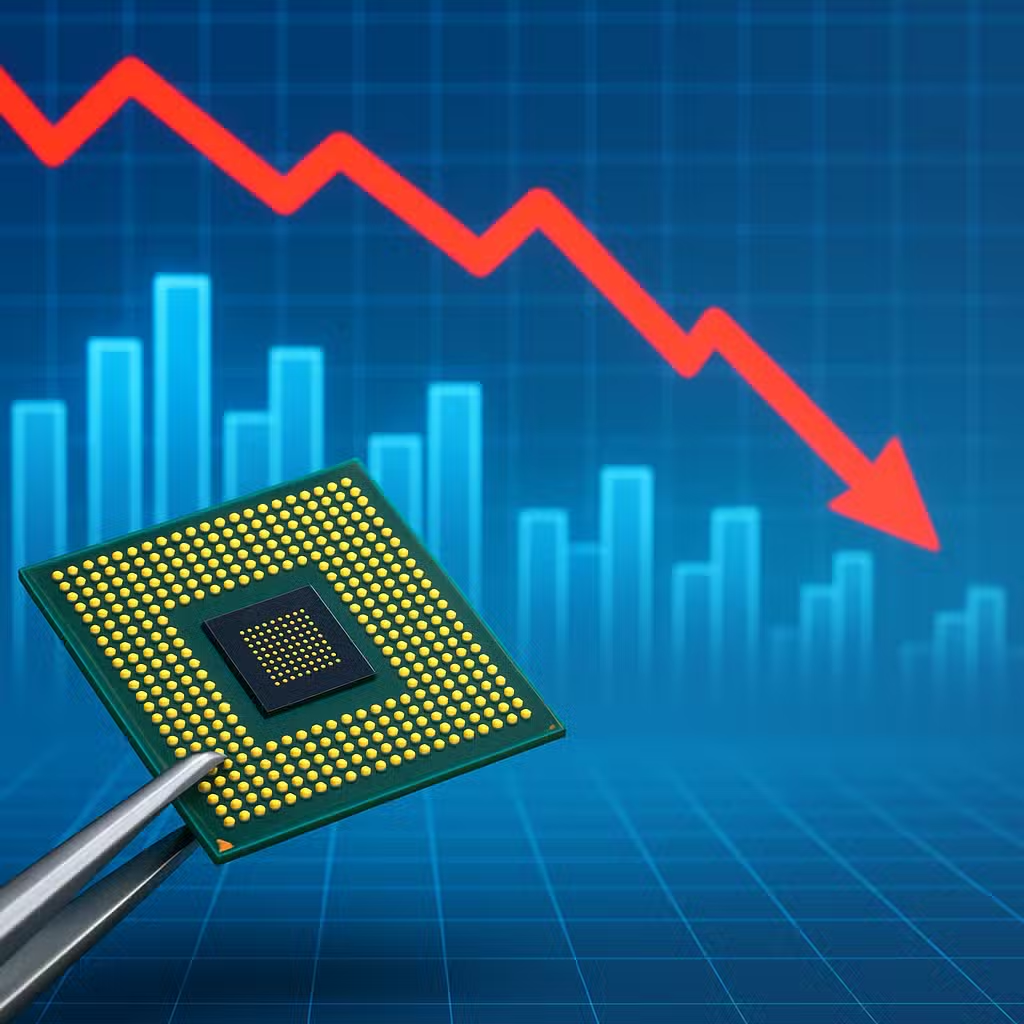
Micron Warns Ongoing Chip Shortages May Impact Tech Sector Growth Through 2027 and Beyond
Think of the memory chip market like a popular new video game console at the holidays—there aren’t enough to go around, so stores can charge higher prices. That’s what’s happening with Micron Technology right now, and it’s making investors sit up and pay attention.
Why Micron’s News Matters for Investors
Micron Technology just reported much better profits and sales than experts guessed. But the real story for investors is about the future: Can Micron keep charging high prices for its memory chips, and for how long?
This matters because memory chips are used in everything from smartphones to artificial intelligence (AI) computers. When Micron and other chip makers have the power to set high prices, it can boost their profits and, in turn, their stock prices. But if demand drops or supply increases, prices could fall fast.
The Bull Case: Why Some Investors Are Excited
- Strong Profits: Micron’s CEO said their profit margins could go even higher than before. That means they’re making more money for each chip sold.
- Long-Term Supply Crunch: Micron’s leaders believe there won’t be enough memory chips to meet demand until after 2027, thanks to the boom in AI and technology.
- New Customer Deals: The company has signed 16 new contracts with price limits, which could help keep profits steady and predictable.
- Stock Bounce: After the announcement, Micron’s shares jumped in after-hours trading, showing investors liked what they heard.
The Bear Case: Why Some Investors Are Worried
- Sector Jitters: Other chip companies, like SK Hynix, have warned about possible slowdowns in demand, which recently caused a big sell-off in chip stocks.
- Perfection Priced In: Some experts think chip stocks are already priced for “perfect” growth, so even small disappointments could send shares lower.
- Competition and Cycles: The chip industry is known for its ups and downs. If more companies ramp up production, prices could fall quickly.
- Recent Warnings: Companies like Broadcom have given just “steady” forecasts, and even a paused data center in Wyoming has made some investors nervous.
Extra Context: How Does This Compare to History?
Memory chip cycles have always been a roller coaster. In 2018, prices soared as demand outpaced supply, but by 2019, prices crashed by over 40% when production caught up, according to Reuters. This shows how quickly things can change in this industry.
Right now, the AI boom is driving demand higher than before. One study from Gartner found that worldwide semiconductor revenue grew 11% in 2023, mostly thanks to AI and cloud computing. But history reminds us: when supply catches up, prices can drop fast.
Investor Takeaway
- Don’t Chase Hype: Even if Micron looks strong now, remember that chip stocks can swing wildly. Avoid investing just because of recent good news.
- Diversify: Don’t put all your eggs in one sector. Mix tech stocks with other industries in your portfolio to lower risk.
- Watch Supply Trends: Keep an eye on news about new chip factories or supply increases. When supply rises, prices and profits can fall.
- Look for Strong Contracts: Companies with long-term customer deals, like Micron’s new agreements, may have more stable profits.
- Stay Alert for Slowdowns: Watch for signs of slowing demand or cautious forecasts from big tech companies—these can be early warnings for the whole sector.
For the full original report, see CNBC