Fed Rate Cuts Ahead: Unique Assets Offer Stable Yields for Investors Seeking Steady Returns
Imagine planting a row of fruit trees that all ripen at different times, so you always have fresh fruit to pick. That’s a lot like using defined-maturity ETFs for your investments—they help you get steady income at different times, no matter what the market is doing.
What Are Defined-Maturity ETFs?
Defined-maturity ETFs are special funds that hold a bunch of bonds, all set to mature in the same year. When that year comes, the ETF pays out the money, just like a bond does. This makes them different from regular ETFs, which don’t have a set end date.
It’s like buying a ticket for a movie that plays at a specific time, instead of an open ticket you can use any day. These funds are easy to buy on the stock market and give you the safety of owning many bonds at once, not just one or two.
Why Investors Care Right Now
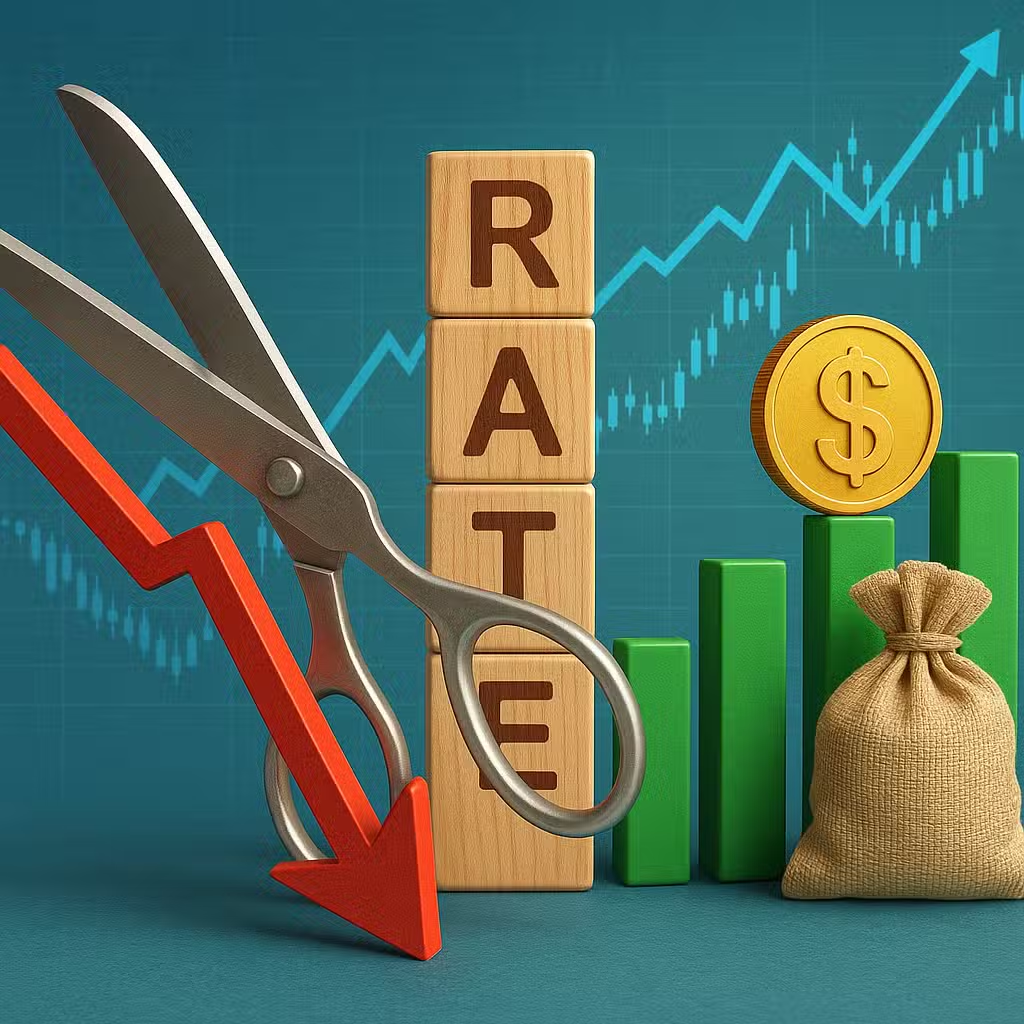
The Federal Reserve has been raising interest rates, and now many experts think those rates might go down soon. According to the CME FedWatch Tool, there’s about an 88% chance the Fed will cut rates at its next meeting. Investors who have been keeping cash on the sidelines are looking for ways to lock in higher yields before rates drop.
Defined-maturity ETFs let you do just that. In the last three years, investors have put $46 billion into these funds, according to Morningstar. Big companies like BlackRock and Invesco offer many choices, from corporate bonds to government bonds.
Bull Case: The Upsides
- Lock In Yields: With defined-maturity ETFs, you know what yield you’ll get, similar to owning individual bonds.
- Diversification: Instead of owning just a few bonds, you own pieces of hundreds, spreading out your risk.
- Easy Access: You can buy these funds on the stock exchange, with no need to hunt down individual bonds.
- Laddering: By buying ETFs with different maturity dates, you can set up a “ladder” that pays out regularly, helping you handle interest rate changes.
- Higher Yields Than Cash: For example, BlackRock’s popular 1- to 5-year corporate bond ladder is yielding about 4.2%—higher than many cash accounts, which could drop to around 3% if rates fall.
Bear Case: The Downsides
- Interest Rate Risk: If rates fall, your new investments after the ETF matures might earn less than before.
- Less Flexibility: Unlike regular bond ETFs or mutual funds, you’re tied to the maturity date, so you can’t just “set it and forget it” for the long term.
- Yield Uncertainty Down the Road: When your ETF matures, you have to decide what to do with the money. If rates are lower, you might not find as good a deal.
- Not Always Best for Long-Term Goals: If you don’t have a specific time when you need the money, traditional bond ETFs might be simpler and cheaper.
How Does This Compare to the Past?
Defined-maturity ETFs have taken off as more people want predictable income. According to ETF.com, these funds have grown fast because they offer a middle ground between the safety of bonds and the flexibility of ETFs. For example, BlackRock’s iBond suite grew from $10 billion to nearly $40 billion in just three years.
Laddering bonds isn’t new—it’s been a smart strategy for decades. But defined-maturity ETFs make it easier for regular investors to use this tool, without needing a lot of money or expertise.
Who Should Consider Defined-Maturity ETFs?
- People who want predictable income for a certain time, like paying for college or planning retirement withdrawals.
- Investors looking to lock in current yields before rates drop.
- Anyone who likes the idea of “laddering” their investments for steady payouts.
Investor Takeaway
- Consider using defined-maturity ETFs to lock in today’s higher yields, especially if you expect interest rates to fall.
- Think about laddering ETFs with different maturity dates for more stable income and less worry about rate swings.
- If you need money at a specific time, these funds can help you plan; if not, a regular bond ETF might be simpler.
- Always check the yield and fees before you buy—compare with other options like CDs or regular bond funds.
- Stay flexible: When your ETF matures, be ready to reinvest or use the payout for your next goal.
For the full original report, see CNBC