Danish Pension Fund’s $100M U.S. Treasury Sale Signals Shifting Investor Preferences
Imagine if your neighbor started arguing with you, and suddenly you didn’t want to lend them your lawnmower anymore. That’s a bit like what’s happening between Denmark and the United States right now — but instead of a lawnmower, it’s billions of dollars in government bonds.
What’s Going On?
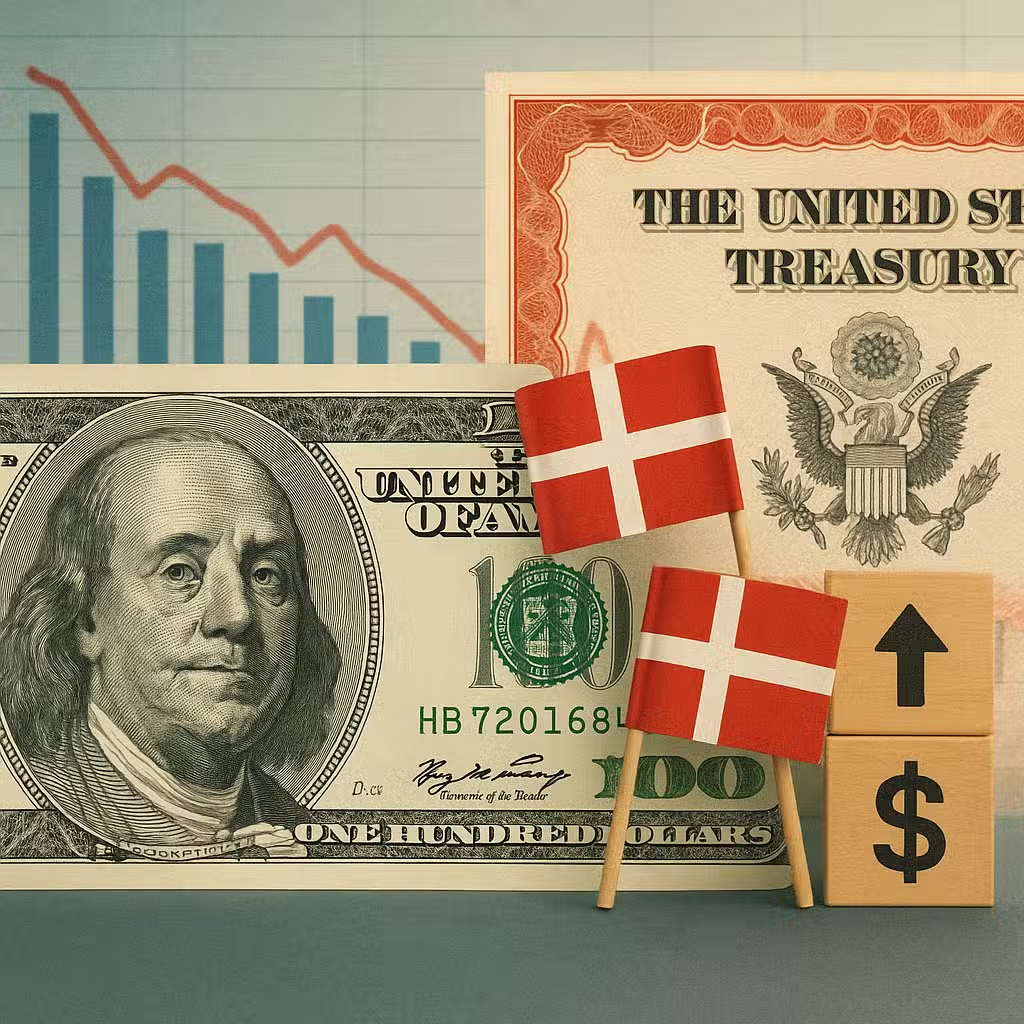
Denmark’s big pension fund, AkademikerPension, says it’s selling all its U.S. Treasurys — about $100 million worth. U.S. Treasurys are like IOUs from the U.S. government, and people all over the world buy them because they’re usually seen as very safe.
The fund’s main reason? They’re worried about America’s growing debt and how the U.S. is handling its finances. This comes at a time when the U.S. and Denmark are having a political argument about Greenland, a territory that belongs to Denmark. President Trump has even threatened to put high tariffs on European goods if Denmark won’t sell Greenland to the U.S.
Why Investors Should Care
When a fund as big as AkademikerPension decides to stop lending money to the U.S. government, it makes people wonder: Should other investors do the same? If more investors follow, it could make it harder and more expensive for the U.S. to borrow money.
- Bond yields rise: When people sell U.S. Treasurys, their prices drop and yields (interest rates) go up. This can affect mortgage rates and business loans everywhere.
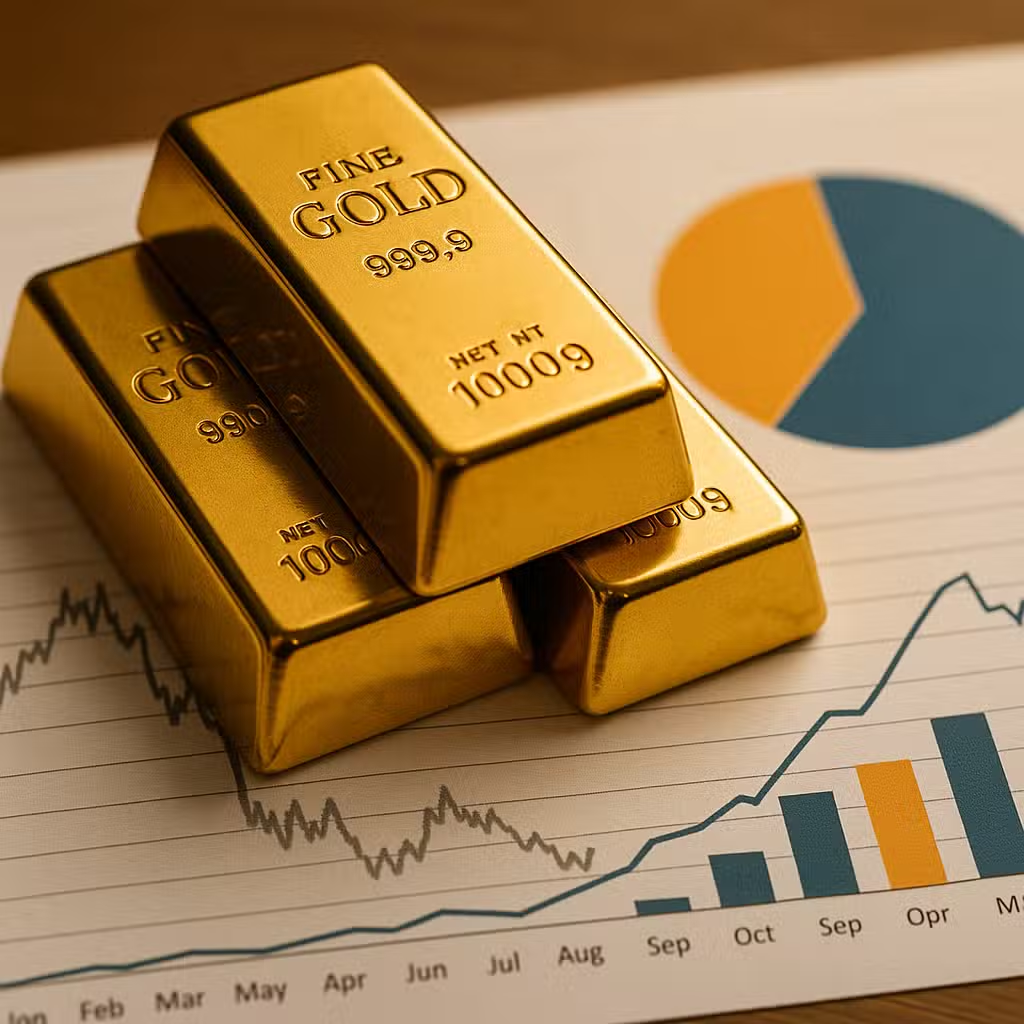
- Stock markets react: The news made the U.S. dollar and stock prices fall, while gold prices hit new highs. That’s a classic sign of investors getting nervous.
- Global trust shaken: If more countries worry about U.S. stability, they might start selling off U.S. assets, which could hurt the dollar and stock markets even more.
For context, the U.S. recorded a budget shortfall of $1.78 trillion last year. That’s about the size of South Korea’s entire economy! (source)
Bull Case: Reasons to Stay Positive
- U.S. Treasurys are still popular: Even though Denmark is selling, most countries and investors still see U.S. government debt as the safest place to park money during tough times.
- Temporary tensions: Political fights like this come and go. In the past, even after major disagreements, countries have gone back to buying U.S. assets.
- Dollar’s global role: The U.S. dollar is still the world’s main currency for trade and savings, which keeps demand for Treasurys high.
Bear Case: Reasons to Worry
- Debt keeps growing: The U.S. keeps borrowing more, and interest payments are rising. If investors start to worry, they might demand even higher interest rates.
- Credit rating cut: Moody’s, a major ratings agency, recently downgraded the U.S. government’s credit rating from Aaa to Aa1 because of all this debt and political fighting (source).
- Trade wars can become “capital wars”: If countries start fighting not just over goods but over money and investments, it could shake up global markets.
What History Tells Us
When the U.S. lost its top credit rating from S&P in 2011, bond yields actually fell because investors still trusted the U.S. more than other places. But today, with more global tension and higher interest rates, the risks are different.
Ray Dalio, a famous investor, warns that if countries stop trusting the U.S., they could “dump” U.S. investments, which would be a big deal for markets everywhere.
Investor Takeaway
- Watch U.S. debt trends: Keep an eye on how much the U.S. is borrowing and what credit agencies are saying. Changes here can affect many parts of your portfolio.
- Diversify globally: Don’t put all your eggs in one basket. Consider holding assets from other countries, not just the U.S.
- Prepare for volatility: Political fights and trade wars can make markets jumpy. Make sure you’re comfortable with your risk level.
- Gold as a safe haven: Gold often goes up when investors get nervous about government debt or global conflict. A small allocation can help smooth out rough patches.
- Stay informed: Geopolitics and economics are linked. Keep learning so you can spot risks and opportunities before everyone else.
For the full original report, see CNBC