Buffett Reaffirms Giving Pledge, Emphasizing Long-Term Value for Philanthropy-Minded Investors
Imagine if your favorite sports team suddenly stopped playing together, with some players leaving and others arguing over the playbook. That’s a bit like what’s happening now with the Giving Pledge—a promise by billionaires like Warren Buffett and Bill Gates to give away most of their wealth to charity.
What’s Going On With the Giving Pledge?
The Giving Pledge started in 2010, asking the world’s richest people to commit to donating at least half their fortune to good causes. Big names like Warren Buffett, Bill and Melinda Gates, and Larry Ellison signed on. But lately, some billionaires are having second thoughts.
Peter Thiel, a well-known tech investor, told The New York Times he’s encouraged others to drop out. Coinbase co-founder Brian Armstrong left the pledge in 2024, and Larry Ellison changed his mind about how he wants to give, saying he prefers for-profit projects.
The number of new signers is shrinking. In the first five years, 113 joined. That dropped to 43 in the latest five-year stretch. Some experts say the pledge feels “old school,” and today’s billionaires are less interested in public charity and more focused on business success.
Why Should Investors Care?
This trend matters for investors, because how billionaires use their money can affect markets, companies, and even entire sectors. When wealthy people put their cash into businesses instead of charities, it could mean more investments in tech, healthcare, or other industries—but maybe less support for non-profits and social programs.
According to the World Economic Forum, global billionaire wealth grew by $2.7 trillion in 2023, but charitable giving hasn’t kept pace. This shift could change the landscape for both investors and communities.
Bulls: The Positive Side
- More Business Investment: If billionaires invest in companies, it could mean more jobs and innovation, possibly boosting stock prices in certain sectors.
- Economic Growth: Some believe business success helps everyone by creating opportunities and growing the economy.
- Freedom to Choose: Investors like seeing leaders put money where they think it works best, whether that’s charity or business.
Bears: The Negative Side
- Less Philanthropy: If fewer billionaires give to charity, non-profits and causes that rely on big donations might struggle.
- Public Backlash: Some critics say this trend makes the rich look selfish, which could lead to calls for higher taxes or new regulations.
- Reputation Risks: Scandals—like those tied to Jeffrey Epstein—can damage the image of philanthropists and the groups they support.
Historical Context: Has This Happened Before?
Philanthropy by the super-rich has always changed with the times. In the early 1900s, people like Andrew Carnegie and John D. Rockefeller gave away huge fortunes and shaped the world with libraries and medical research. But as times change, so do attitudes. A 2024 Pew survey found that only 31% of Americans now think billionaires have a positive impact on society, down from 46% a decade ago.
Buffett’s Wisdom: Keep It Simple
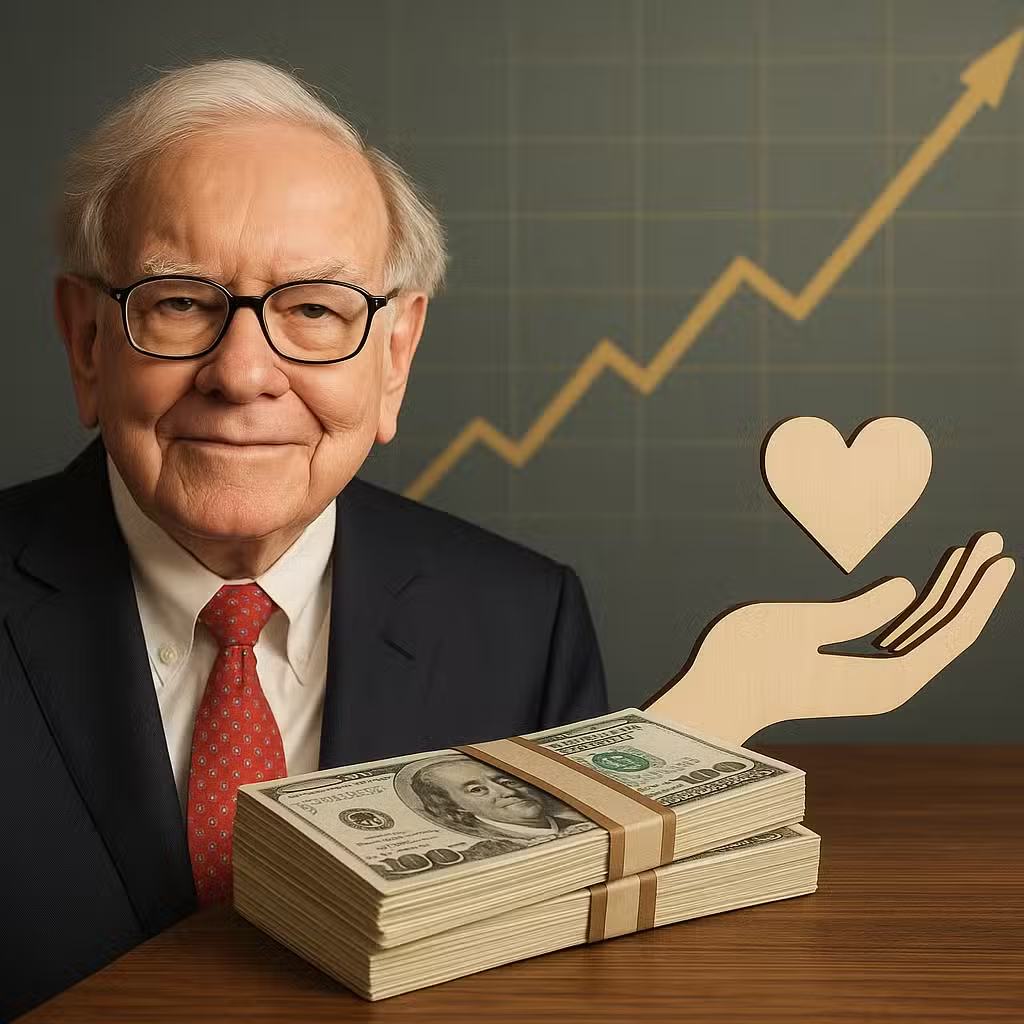
Warren Buffett, famous for his annual letters, says giving should feel right to you. He suggests picking causes that matter to you personally, and learning as you go. Buffett also admits it’s hard to take advice—even about simple things like commas in his writing—but he’s learned to listen and keep growing, even at age 95.
Investor Takeaway
- Watch where the money goes: Follow which sectors billionaires are investing in, as their choices can move markets.
- Pay attention to public opinion: Negative press or backlash could lead to new rules or taxes that affect company profits and stock prices.
- Consider the charity angle: If less money flows to non-profits, some social programs may suffer, but business sectors could see more capital.
- Look for long-term trends: The Giving Pledge slowdown is part of a bigger shift—track how these changes might affect your portfolio over time.
- Stay curious: Read annual letters and statements from major investors. Their thinking can offer clues about future market moves.
For the full original report, see CNBC