Berkshire’s Slower Lennar Share Purchases Signal Cautious Outlook for Investors
Imagine if every time you walked past your kitchen, there was a giant candy jar. At first, it’s easy to walk by, but if the jar sits there all day, it gets harder to resist. That’s a lot like how easy gambling has become for people today.
Why Investors Should Care
Gambling isn’t just about casinos or lottery tickets; it’s also about how people treat their money, including investments. When more people gamble, it can change how money moves in the economy and even affect the companies investors own.
Making Gambling Easier: The Pros
- More State Revenue: States make a lot of money from gambling; in 2022, U.S. state and local governments made about $35 billion from gambling taxes (source).
- Job Creation: Casinos and betting companies hire thousands of workers.
- Entertainment Option: For some, gambling is just a fun way to spend money, like going to the movies or a sports game.
The Downsides: The Cons
- Problem Gambling: Making it easier to gamble means more people can get addicted, which can hurt families and communities.
- “Tax on Ignorance”: Many gamblers lose money over time because the odds are against them. Some experts, like Warren Buffett, say this is like putting a tax on people who don’t understand the risks.
- Social Impact: When people spend money on gambling instead of saving or investing, it can hurt their long-term financial health.
- Government Ethics: Some worry it’s wrong for governments to encourage gambling just to make money, especially when it targets the most vulnerable.
What History Teaches Us
When Nevada first allowed gambling, you had to travel far to play. Now, with online betting and lottery tickets at the grocery store, it’s everywhere. After New Jersey legalized online gambling in 2013, state gambling revenue jumped from $2.9 billion to over $4.7 billion by 2022 (source).
But studies show that as gambling gets easier, more people run into trouble. According to the National Council on Problem Gambling, about 2 million U.S. adults are considered problem gamblers, with another 4-6 million at risk (source).
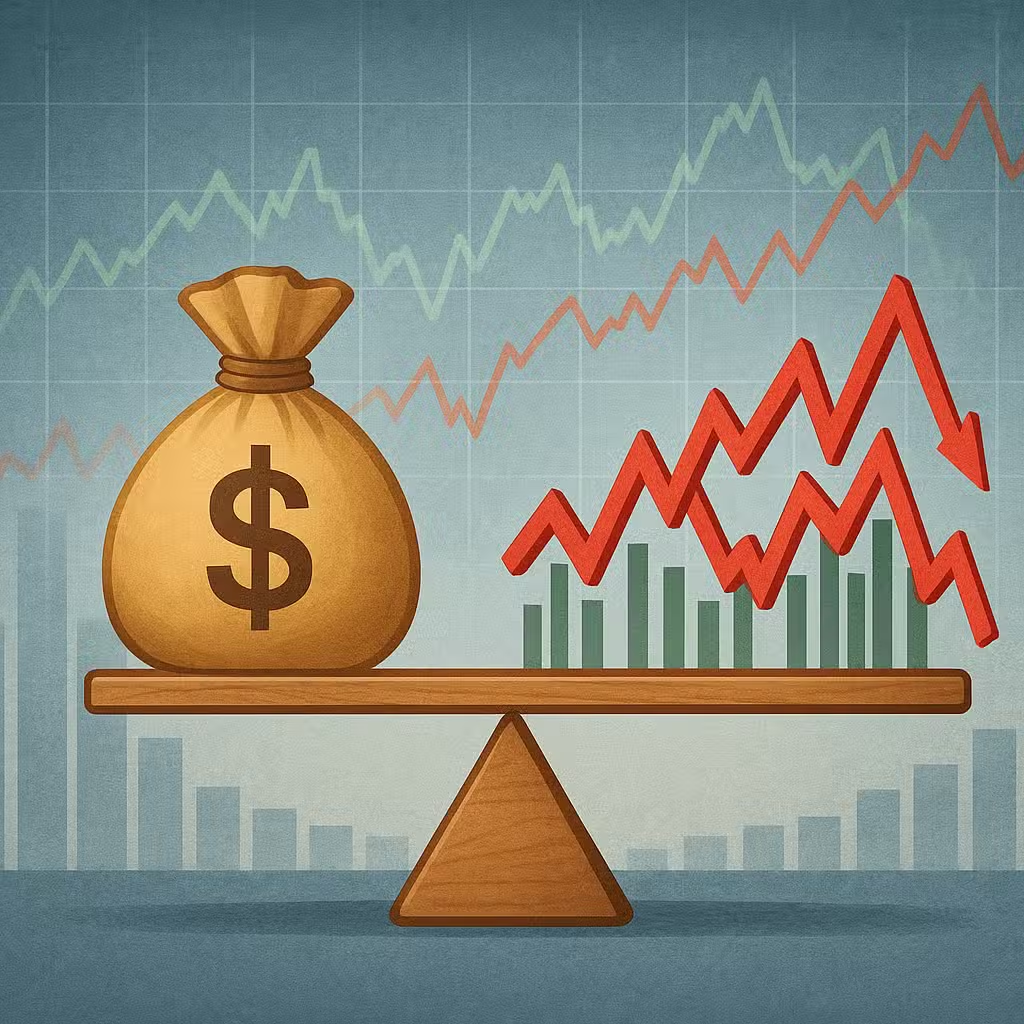
Bulls vs. Bears: Investor Perspectives
- Bulls (Optimists): More gambling means higher profits for casino companies, lottery operators, and online betting platforms. These companies can be good investments when gambling is popular.
- Bears (Pessimists): If gambling becomes too easy, it could lead to social problems, stricter laws, or public backlash, which could hurt these companies’ profits. There’s also the risk that people will have less money to spend on other things, slowing down the economy.
Investor Takeaway
- Watch for changes in gambling laws—they can quickly boost or hurt related stocks.
- Remember that “easy money” from gambling isn’t always stable; it can disappear if public opinion shifts or laws tighten.
- If you invest in gambling companies, look for those with strong responsible gaming programs to avoid reputational risks.
- Diversify your portfolio; don’t bet everything on one sector, especially one as unpredictable as gambling.
- Think about the long-term effects—both the money made and the social costs—when choosing where to invest.
For the full original report, see CNBC