Rising Interest Rates Pressure Two ETFs, but Investors Eye Recovery Potential in One Fund
Imagine your favorite roller coaster: just when you think the ride is over, it suddenly speeds up and throws you for another loop. That’s what’s happening right now in the world of gold and risky bonds—two big investments that are reacting in very different ways as interest rates keep rising.
Why This News Matters for Investors
When interest rates go up, it’s like turning up the heat in the kitchen—some things start to bubble and others get burned. Gold and high-yield bonds are feeling the pressure, and what happens to them can affect your portfolio, especially if you own ETFs like SPDR Gold Shares (GLD) or iShares iBoxx High Yield Corporate Bond ETF (HYG). These moves can also send ripples through entire sectors, from mining to corporate credit.
Bull Case: Why Some See Opportunity
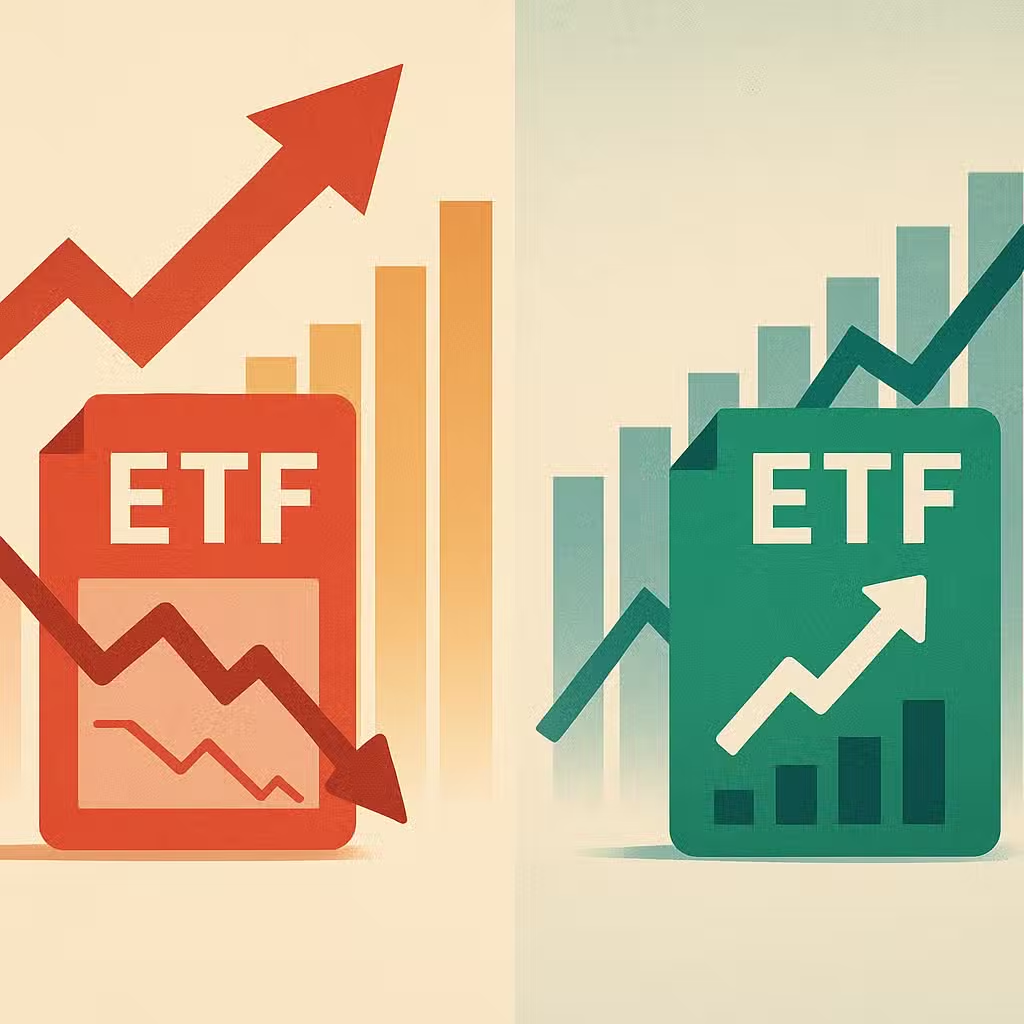
- Gold’s Bounce Potential: Gold prices just dropped 4%—their lowest since August. But options traders are betting gold could bounce back. On Monday, nearly twice as many investors bought call options (bets that gold will rise) as put options (bets it will fall). That’s a sign of hope that gold will find its footing soon.
- Historical Safety Net: Gold has often acted as a safe haven during market storms. During the 2008 financial crisis, gold prices jumped over 20% while stocks crashed (source).
- Options Action: The biggest gold trade Monday was a $5.9 million bet that gold won’t fall below $375 by 2028. That’s a sign some investors are confident in gold’s long-term value.
Bear Case: Why Others Are Worried
- High-Yield Bonds Under Pressure: High-yield (junk) bonds are falling fast. The HYG ETF dropped to its lowest point since April 2025, and options traders are piling into puts, betting things could get worse.
- Rising Default Risk: Many companies with junk bonds have loans that will come due next year—and with rates rising, it will cost them more to pay back their debt. That raises the risk of more defaults, which can hurt bondholders.
- Negative Correlation to Rates: Both gold and high-yield bonds are moving in the opposite direction of the 10-year Treasury yield. When rates go up, these assets tend to go down. For example, the HYG’s 10-day correlation to the 10-year yield is -0.99, meaning they practically move in opposite directions.
- Complacency Warning: Some experts warn that investors have been too comfortable with high-yield bonds, forgetting how quickly things can go south when rates rise fast.
What the Numbers Say
On Monday alone, trading in HYG options was more than 2.5 times the average, with about 52,000 puts bought compared to just over 15,000 calls. In other words, most traders were betting against high-yield bonds. Meanwhile, more than 68,000 calls were bought on GLD, showing optimism for gold.
According to a recent S&P Global report, US high-yield bond defaults are expected to rise in 2024 as more debt comes due and borrowing costs climb.
Investor Takeaway
- Stay Alert: Rising rates are shaking up gold and junk bonds. Watch these moves closely if you have exposure to either asset.
- Diversify: Don’t put all your eggs in one basket. Mix up your investments to handle swings in both gold and bonds.
- Review Risk: If you own high-yield bonds, check how much risk you’re really taking—especially with more defaults possible next year.
- Look for Opportunities: If you believe in gold’s long-term power, dips like this can be a chance to buy, but be patient and don’t chase quick rebounds.
- Follow the Data: Use reputable sources and keep an eye on options activity—it often gives clues about where big investors think the market is headed.
For the full original report, see CNBC