Fervo Energy’s Geothermal Expansion Supports Growing Data Center Demand, Offering New Investor Opportunities
Imagine trying to cook a big meal for your family, but your old stove just isn’t powerful enough. You need a bigger, better stove to keep up. That’s what’s happening with America’s electricity needs—and a new technology called enhanced geothermal energy might be the next “super stove” for our power supply.
What’s Happening in Utah?
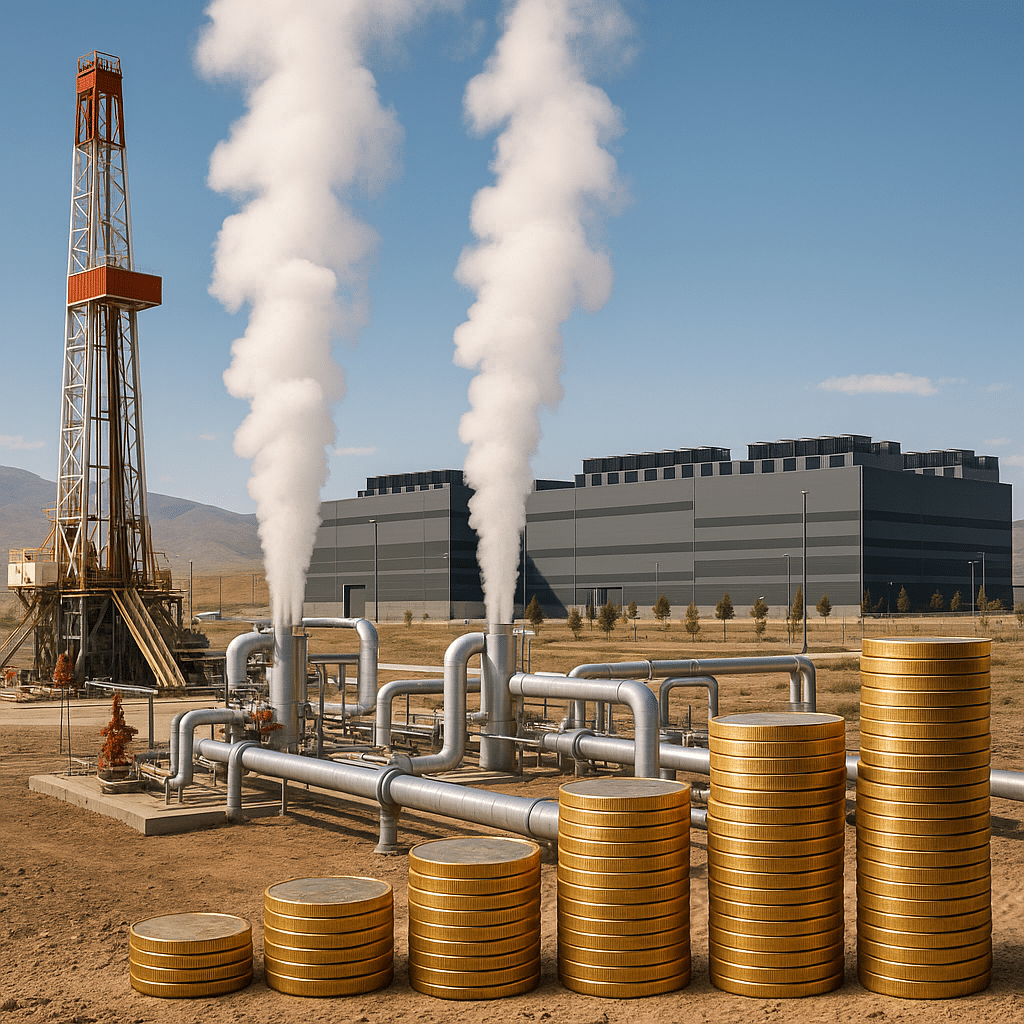
In the quiet desert of Utah, a company called Fervo Energy is digging deep into the earth to pull up heat and turn it into electricity. This isn’t a brand-new idea—geothermal power has been around for years. But Fervo is doing something special: they’re using advanced drilling techniques from the oil and gas world to make geothermal work in more places.
If they succeed, Fervo could provide lots of clean, reliable electricity just when the country needs it most. Demand for electricity in the U.S. is rising for the first time in decades, thanks to things like data centers and electric cars.
Why Investors Should Care
For investors, this story is about much more than just one company. Geothermal energy could become a key part of the power sector, creating new opportunities and risks for portfolios. If enhanced geothermal takes off, it could help balance out portfolios that are heavy in traditional oil, gas, or even solar and wind.
Plus, Fervo’s early deals with big names like Google show that major corporations are willing to pay for clean, steady power—sometimes even at higher prices, if it helps them meet climate goals.
Bull Case: The Upside
- Clean and Reliable: Enhanced geothermal power doesn’t create emissions and can run 24/7, unlike solar or wind.
- Scalability: Fervo’s drilling methods could unlock geothermal power in many new places, not just rare hotspots.
- Cost Improvements: As Fervo drills more wells, the cost per project is dropping. For example, their newest wells are being built 70% faster than their first ones.
- Strong Partners: Contracts with Google and utilities like Southern California Edison show real demand for this power.
- Land Value: Fervo bought geothermal rights for as little as $4 per acre; now, similar land can go for over $400 per acre—a sign of growing interest.
Bear Case: The Risks
- Still Pricey: Even with tax credits, geothermal is more expensive than some other energy sources. Fervo’s goal is to cut costs to $3,000 per kW, but it’s not there yet.
- Stock Volatility: After a strong IPO, Fervo’s stock price dropped by about 57%—investors are still unsure about the company’s future.
- Technical Hurdles: Drilling deep into tough rock is risky and can lead to unexpected costs or delays.
- Competition: Other clean power sources, like solar and wind, are already cheaper and more established in many markets.
How This Fits in the Big Picture
Geothermal energy is still a small part of the U.S. power mix—less than 1% of electricity in 2022, according to the U.S. Energy Information Administration. But experts believe enhanced geothermal could grow a lot if costs keep falling, much like how solar power became much cheaper and more popular over the last 15 years.
In fact, a 2023 study from the Department of Energy found that advanced geothermal could provide up to 120 GW of electricity by 2050—enough to power tens of millions of homes (source).
Lessons from History
We’ve seen before how new energy tech can change the market. Solar and wind were once expensive and rare, but now they’re everywhere thanks to better technology and lower prices. If enhanced geothermal follows the same path, early investors could benefit as the industry grows.
Investor Takeaway
- Keep an eye on Fervo and other geothermal companies—if they keep lowering costs, there could be big growth ahead.
- Diversify your energy holdings. Don’t bet everything on one technology; a mix of renewables and traditional sources can help manage risk.
- Watch for new contracts and partnerships, especially with big tech or utility companies. These deals can signal strong demand.
- Be aware of volatility. Early-stage companies in new sectors can have big swings in stock price.
- Stay informed about policy changes—tax credits and government support have a big impact on the economics of clean energy.
For the full original report, see CNBC