CFTC Fines George Santos $35,000 for Kalshi Trades, Highlighting Regulatory Risks for Investors
Imagine if someone bet money on whether they’d show up to a school assembly, and then tried to influence the outcome. That’s a bit like what happened with George Santos, and it’s a big deal for investors who care about honesty in the markets.
What Happened?
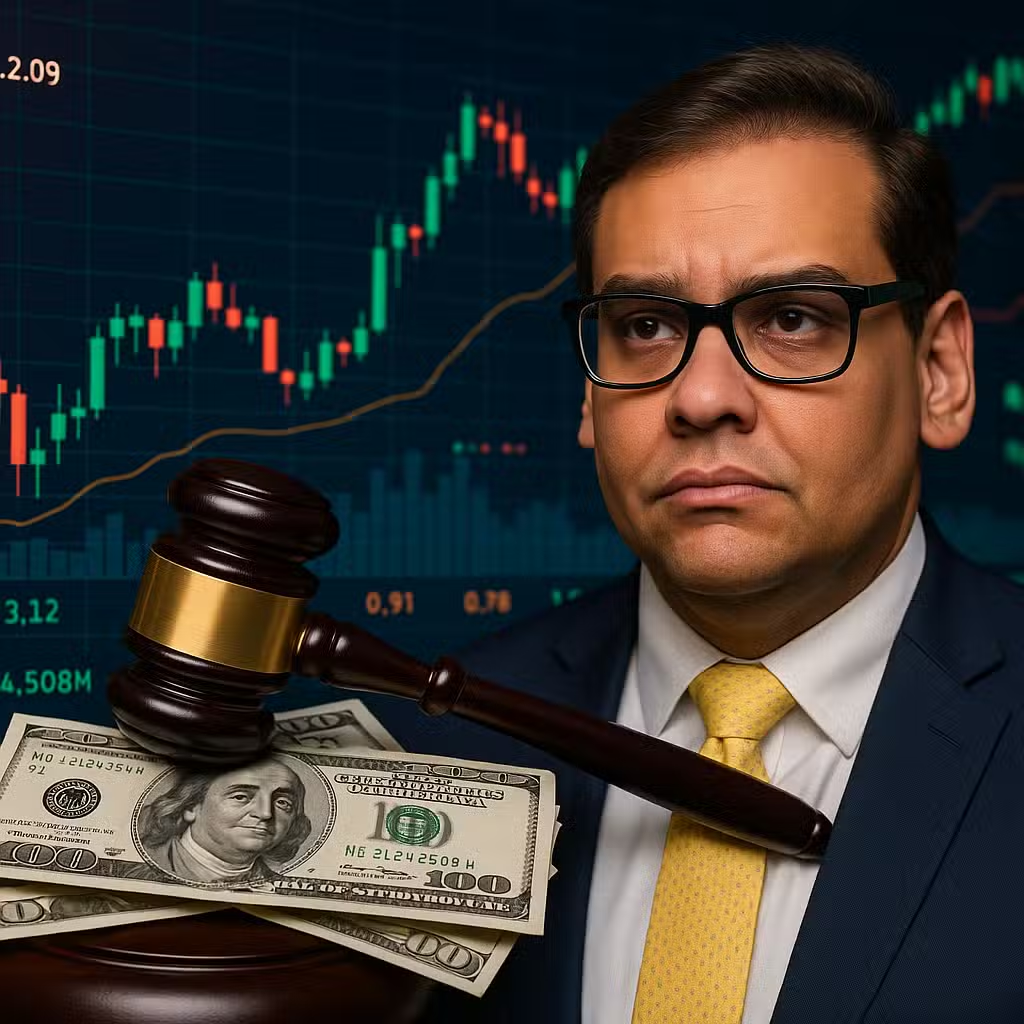
George Santos, who used to be a member of Congress, got in trouble for making bets on whether he would attend a big government event called the State of the Union. He used a website called Kalshi, where people can trade on the outcome of real-world events, kind of like predicting the winner of a sports game.
The Commodity Futures Trading Commission (CFTC), which is like the referee for these kinds of trades, said Santos broke the rules. He was ordered to pay $35,000, including giving up the money he made—about $17,570—and was banned from trading for three years.
Why Does This Matter for Investors?
This case is important because it shows that even in new markets, like event trading, there are rules to keep things fair. If people can cheat or influence the outcome, it hurts everyone else who is trading honestly. That’s bad for trust, and trust is the foundation of all investing.
The Bull Case: Why Some See Opportunity
- More Oversight = Safer Markets: When regulators catch and punish rule-breakers, it can make markets safer for everyone else.
- Growth of Event Trading: Platforms like Kalshi are new and growing fast. According to the Financial Times, event trading volume has doubled in the past two years, showing investor interest.
- Setting Clear Rules: High-profile cases like this help set clear boundaries, which can attract more serious investors to these markets.
The Bear Case: Why Some Are Worried
- Risk of Manipulation: If people can influence or cheat on event outcomes, it could scare away honest traders and investors.
- Reputation Damage: Scandals can make people wonder if these new markets are safe or just a place for risky bets.
- Regulatory Uncertainty: Rapid changes in rules or surprise penalties can make investors nervous about putting their money into these platforms.
Historical Context & Extra Data
This isn’t the first time rules have been broken in new markets. For example, in the early days of stock trading, insider trading was common until tough laws were put in place. A 2022 study by the Harvard Law School Forum on Corporate Governance found that strong enforcement of trading rules leads to more stable and trustworthy markets.
Event contracts are still a small part of finance, but they are growing quickly as more people look for new ways to invest or hedge risk.
Investor Takeaway
- Watch for new rules and enforcement in event trading and prediction markets. Strong oversight can make these platforms safer for honest investors.
- If you invest in new markets, do your homework on how they work and what rules apply. Don’t assume everything is like the stock market.
- Remember that trust is key. Markets that punish cheating and reward fair play are better for long-term investors.
- Keep an eye on how scandals affect both the reputation and growth of new investment platforms.
- Diversify your portfolio. Don’t put all your money into new or untested markets, no matter how exciting they look.
For the full original report, see CNBC