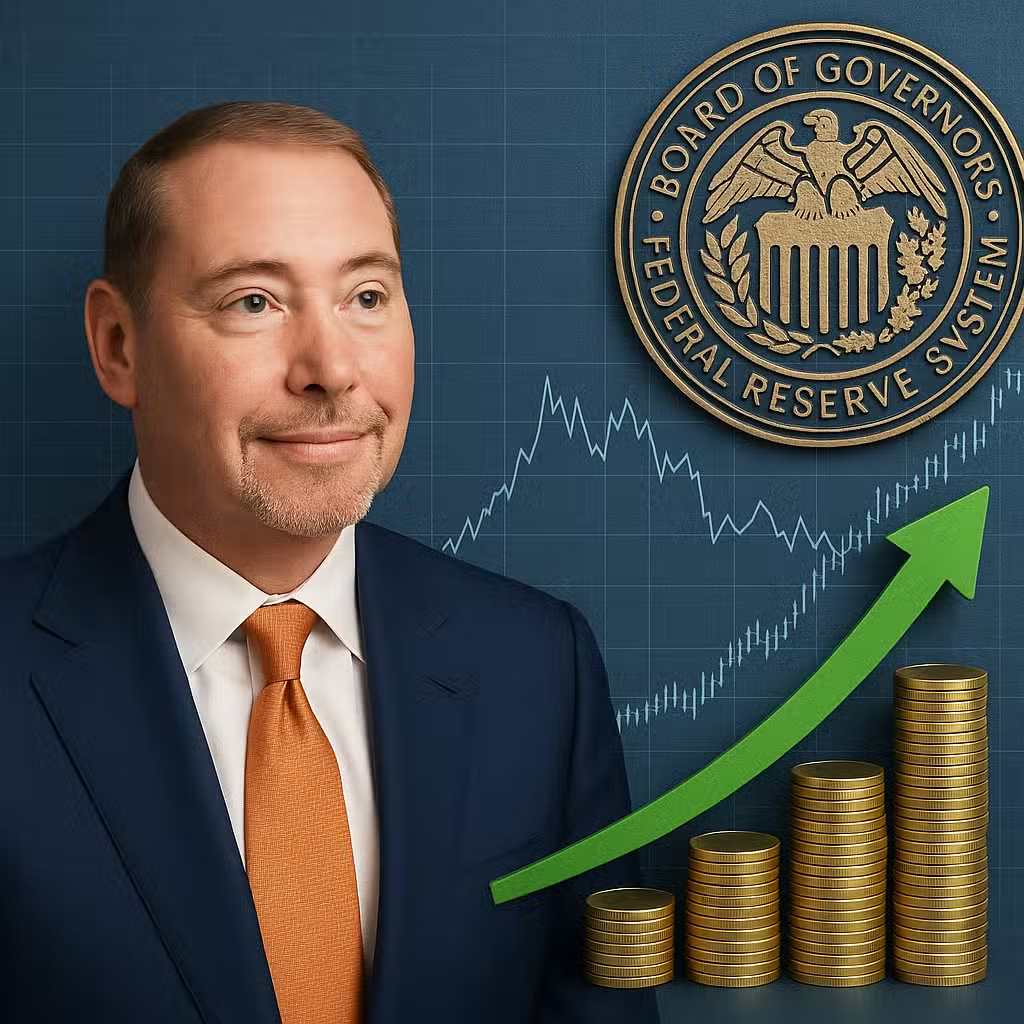
Jeffrey Gundlach Reveals New Investment Strategy Following Fed’s Steady Rate Decision—Key Takeaways for Investors
Think of the bond market like a seesaw at the playground—when one side goes up, the other side comes down. Right now, investors are trying to keep their balance as interest rates and inflation move up and down, making it tricky to know what to do next.
Why This Matters for Investors
When the Federal Reserve talks about changing interest rates, it can shake up all kinds of investments—from bonds to stocks. If you have money in the market, what the Fed does can affect your returns, your retirement account, or even the cost of borrowing money.
Bullish Case: Reasons to Feel Positive
- High-Quality Bonds Are Safer: Jeffrey Gundlach, a big name in bonds, is sticking to bonds rated BBB and higher. These are like the honor students of the bond world—less likely to default.
- Shorter-Term Bonds Look Good: He prefers bonds that mature in two to seven years. These tend to be less risky if rates keep moving up and down.
- Some Tech Bonds Still Offer Value: Even though technology and AI company bonds have become riskier, some still have strong credit.
Bearish Case: Things to Watch Out For
- Risky Bonds Could Get Hit: Lower-rated bonds (like C-rated or “junk” bonds) are more likely to run into trouble if the economy weakens or rates rise more.
- Long-Term Rates Are Climbing: The 30-year Treasury yield just went above 5.2%—the highest since 2007. If this keeps rising, it could hurt prices for current bondholders.
- Inflation Is Still a Problem: The Fed wants inflation at 2%, but it could take years to get there. Higher inflation makes bonds less valuable.
- Government Debt Adds Pressure: Big government deficits and Social Security shortfalls mean the U.S. has to borrow more, pushing rates even higher.
What History and Data Tell Us
Historically, when the Fed raises rates to fight inflation, riskier bonds often suffer the most. During the 2008 financial crisis, junk bond default rates shot up to nearly 14% (Federal Reserve Bank of St. Louis). Today, spreads between safe and risky bonds are widening again—often a red flag that trouble could be ahead for weaker companies.
Investor Takeaway
- Stick to Quality: Focus on bonds rated BBB or higher. Avoid the riskiest junk bonds for now.
- Watch Bond Maturities: Consider shorter-term bonds (2–7 years) to lower your risk if rates keep rising.
- Stay Alert to Inflation: Keep an eye on inflation reports and Fed meetings—they can change the game quickly.
- Diversify: Don’t put all your money in one sector or type of bond. Spread out your risk.
- Revisit Your Plan: Review your portfolio regularly, especially if you rely on steady income from bonds.
For the full original report, see CNBC