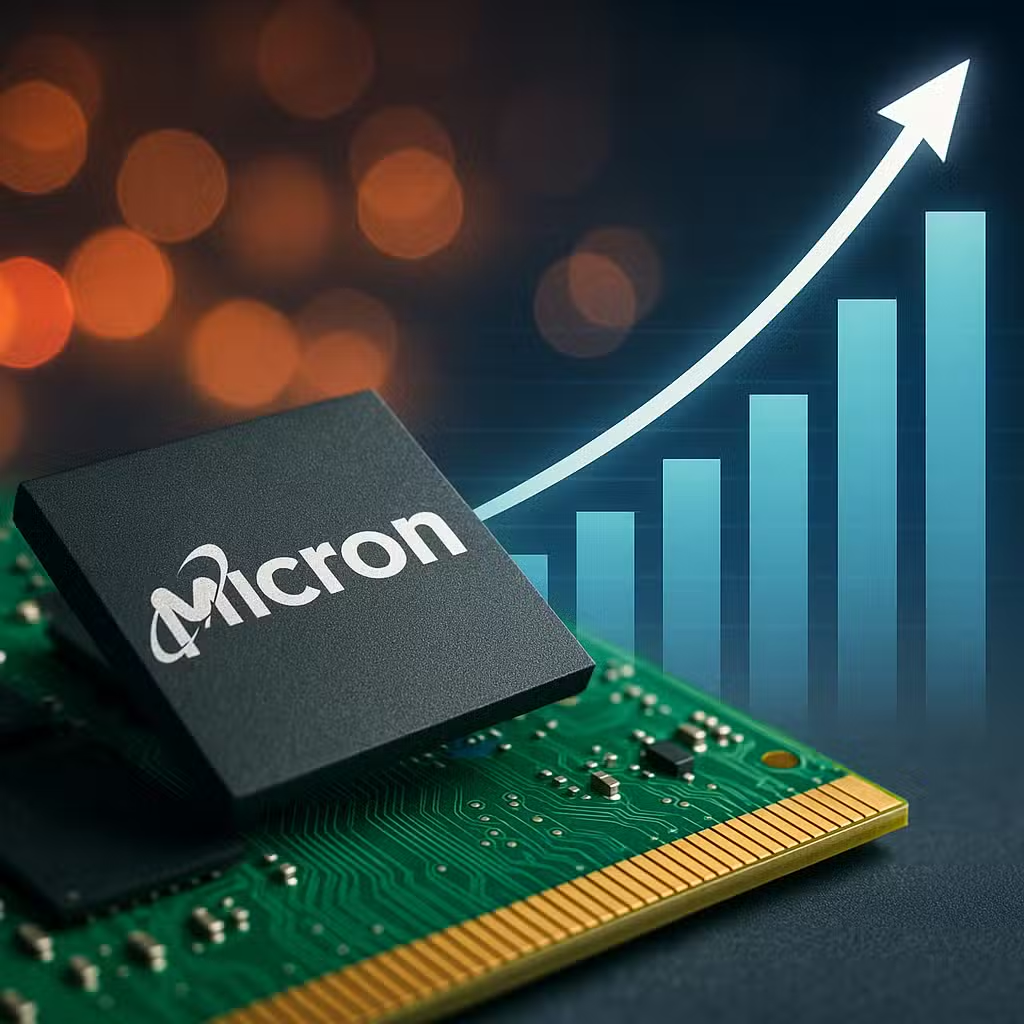
Micron’s Sharp Weekly Gain Signals Strong Investor Confidence in Memory Chip Market Growth
Imagine if everyone in your town suddenly wanted the same new video game, but there just weren’t enough copies to go around. That’s kind of what’s happening right now with memory chips in the tech world—and it’s making a big impact on investors.
Why Investors Should Care
Memory chips are like the brains that help computers and gadgets remember things. When there’s not enough of them, prices go up, and companies that make these chips can make a lot of money. For people who invest in stocks, this can lead to big changes in their portfolios, especially if they own shares in chipmakers or tech companies that use these chips.
The Bull Case: Why Some Investors Are Excited
- Big Gains: Micron Technology’s stock soared more than 15% in one day and nearly 38% in a week. Over the past month, it’s up about 84%.
- Sector Strength: Other chip companies like AMD and Intel also had strong weeks, with AMD up 26% and Intel up 25%.
- AI Growth: The world’s biggest tech companies are spending huge amounts—possibly over $1 trillion by next year—on building artificial intelligence (AI) systems, which need lots of memory chips (Bank of America).
- High Demand: Two types of memory, DRAM (fast but tricky) and NAND (slower but steady), are crucial for AI, and companies like Micron, Samsung, and SK Hynix make over 90% of the world’s DRAM.
- Retail Interest: More everyday investors are buying Micron shares than at any time in the last two years, according to Vanda Research.
The Bear Case: Risks and Concerns
- Shortages Can Hurt: When memory chips are hard to find, prices for electronics and services can go up for everyone, not just investors.
- Volatile Sector: The chip market can change quickly—just like it soared, it could also drop if supply catches up or demand falls.
- Past Booms and Busts: Micron’s last “best week” was during the 2008 recession, when its stock was under $5. Fast rises can be followed by sharp drops.
- Competition: Other companies are trying to ramp up production. For example, SK Hynix is getting offers from tech giants to help build more memory chip factories (Reuters).
Historical Context: Memory Chip Cycles
This isn’t the first time chipmakers have seen wild swings. In 2018, memory chip prices fell more than 40% in less than a year, hurting stocks across the sector (Statista). Investors should remember that tech booms often lead to big busts if supply outpaces demand.
What’s Next?
Right now, the big money is betting that AI and cloud companies will keep needing more memory. But if the market gets flooded with new chips, or if tech spending slows down, these hot stocks could cool off quickly.
Investor Takeaway
- Stay Diversified: Don’t put all your eggs in chip stocks—tech can be a roller coaster.
- Watch for Cycles: Remember that today’s hot market could shift quickly. Pay attention to supply and demand trends.
- Follow the Leaders: Companies like Micron, Samsung, and SK Hynix are big players, but keep an eye on up-and-comers and changing tech needs.
- Know the Risks: Fast-rising stocks can fall just as quickly. Be ready for ups and downs.
- Look Beyond the Hype: Check company earnings, market trends, and expert reports before making big bets.
For the full original report, see CNBC