Options Strategies Offer Steady Portfolio Income During Volatile Markets, Supporting Investor Stability
Think of investing like driving on a bumpy road—sometimes, you need extra tools like seatbelts or airbags to stay safe. Right now, the stock market feels pretty rocky, and investors are looking for ways to protect their money and maybe earn a little extra along the way.
Why This News Matters for Investors
Stocks are sliding, oil prices are jumping, and even “safe” assets like gold are dropping. In just one day, gold fell over 4%, and the Dow lost about 400 points before bouncing back. When markets get this wild, it’s tough to know what to do with your savings—especially if you’re close to retirement or worried about losing money.
That’s where options come in. They’re special contracts you can use to help protect your investments or bring in some extra cash, even when things look uncertain.
How Options Can Help (and What to Watch Out For)
- Cash-Secured Puts: This strategy is like making a deal to buy something only if the price drops to a level you’re OK with. You keep your cash safe and earn a fee (called a premium) for making the deal. If the market keeps falling, you might have to buy the stock, but only at the price you agreed to.
- Covered Calls: Here, you already own a stock and agree to sell it if the price goes up a lot. In return, you get paid a premium. If the stock doesn’t skyrocket, you keep the stock and the extra cash. But if it does, you might miss out on some big gains.
Both strategies can help you earn income while you wait for the market to settle down. But remember, there’s no such thing as a free lunch—each has its risks if things move the wrong way.
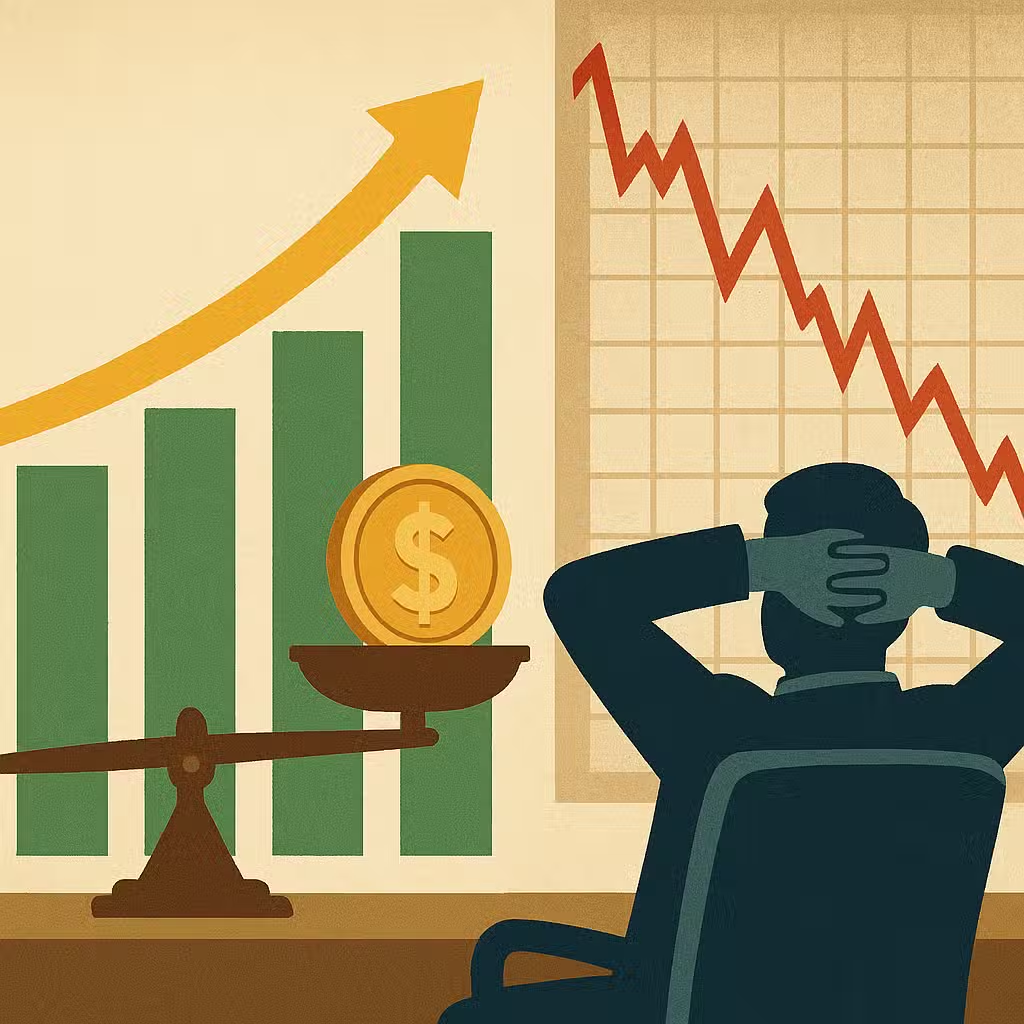
Bull vs. Bear: The Pros and Cons of Options in Volatile Markets
- Bull Case (Pros):
- Earn steady income from premiums, even when stocks are shaky.
- Can give you a chance to buy stocks you like at lower prices.
- Helps protect your portfolio from big swings.
- Bear Case (Cons):
- If stocks drop fast, you might have to buy at a higher price than the market.
- If stocks soar, you could miss out on big gains with covered calls.
- Options can be confusing—mistakes can be costly without some know-how.
What the Experts and History Say
According to a 2023 study by the Chicago Board Options Exchange, options trading has grown by over 30% in the last five years, mostly because investors want tools to manage risk and boost income during market swings. In the 2008 financial crisis, some investors used options to limit losses and add income, showing these tools can help if used wisely.
Investor Takeaway
- Consider cash-secured puts if you’re sitting on cash and want to earn extra income while waiting for better stock prices.
- Look at covered calls if you own stocks and want more income, but be ready to sell if prices jump.
- Work with a financial advisor to see if these strategies fit your goals and risk comfort.
- Keep learning—options can help, but only if you understand the risks and rewards.
- Remember: No strategy is perfect, but having the right tools can help you ride out a rough market.
For the full original report, see CNBC