Netflix Tops Earnings Estimates, But Guidance Miss Prompts Investor Caution
Imagine you’re cheering for your favorite sports team—they win, but just barely, and now people are worried about how they’ll play next season. That’s what just happened with Netflix, and it matters for investors because when a big company like Netflix shows signs of slowing down, it can shake up the whole market.
What’s Happening with Netflix?
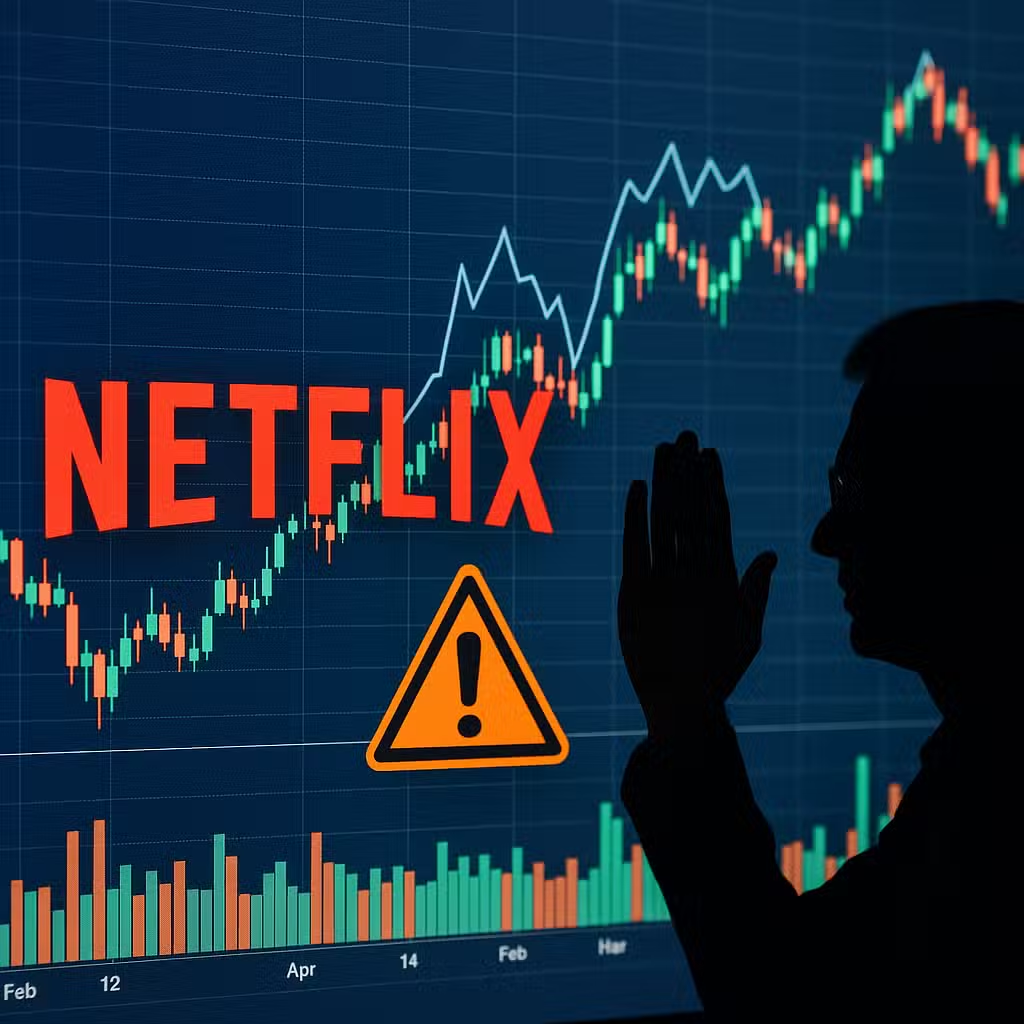
Netflix recently reported its earnings for the last quarter. They made 56 cents per share on $12.05 billion in revenue, which was just a little better than what experts predicted. But here’s the catch: people aren’t watching as much as before, and Netflix’s plans for the next year or two aren’t making everyone excited.
As a result, Netflix’s stock dropped by 7% before the market opened. That’s a big dip for such a well-known company.
Why Investors Care
When Netflix struggles, it sends a signal to investors that streaming might not be growing as fast as it used to. Since many people have Netflix in their investment portfolios, this news could affect the value of those investments. It also impacts the media and entertainment sector, which relies on companies like Netflix to lead the way.
Bull Case: Why Some Are Still Optimistic
- Subscriber Growth: Netflix now has over 325 million subscribers, matching what experts expected.
- Advertising Strength: Their advertising business grew 2.5 times bigger, bringing in $1.5 billion last year.
- Leadership in Content: Netflix is still a leader in making popular shows and movies, which helps keep people interested.
- Long-Term Growth: Many analysts still believe Netflix will keep growing, especially as it invests in more types of content and advertising.
Bear Case: Reasons to Be Cautious
- Slowing Viewing Hours: People are spending less time watching Netflix, with only a 2% increase from last year—and that’s actually a 7% drop compared to two years ago, according to Guggenheim Partners.
- Rising Costs: Netflix is spending more money, especially as it tries to buy new studios and streaming assets from Warner Bros. Discovery.
- Competition from Short Videos: Apps like TikTok, YouTube Shorts, and Instagram are stealing people’s attention, especially younger viewers. A study from Nielsen shows that short-form video now makes up nearly 20% of all TV and video viewing for people under 35.
- Deal Risks: The Warner Bros. Discovery deal still needs approval, and it could take a long time or even fall through.
What the Experts Say
- Pivotal Research Group: Hold rating, price target $95 (down from $105). They think Netflix is doing okay, but there’s not enough upside right now.
- KeyBanc Capital Markets: Overweight rating, price target $108. They see some positives but worry about people spending less time on Netflix and the uncertain Warner deal.
- Rothschild & Co. Redburn: Buy rating, price target $120 (down from $145). They like the subscriber numbers but wanted to see more money from ads.
- Canaccord Genuity Capital Markets: Buy rating, price target $125. They believe Netflix’s strong content and advertising will help it keep growing.
- Guggenheim Partners: Buy rating, price target $130. They think the Warner deal is the big thing to watch.
- Jefferies: Buy rating, price target $134. They see some short-term bumps but believe Netflix is still on track for long-term growth.
Investor Takeaway
- Watch the Warner Bros. Deal: If the deal goes through, Netflix could get even stronger, but if it falls apart, expect more bumps ahead.
- Keep an Eye on Viewing Trends: If people keep spending less time on Netflix, it could impact growth for years to come.
- Consider the Competition: Short-form video isn’t going away, and it’s pulling viewers away from traditional streaming.
- Look for Buying Opportunities: If you believe in Netflix’s long-term plan, the recent dip might be a good entry point—but only if you’re ready for some ups and downs.
- Diversify: Don’t put all your eggs in one basket. Media and tech can be exciting, but they’re also risky. Balance your portfolio with other sectors.
For the full original report, see CNBC