Where Investors Can Earn 4% Yields on Cash and Boost Portfolio Income
Think of your cash like a snowball sitting on a sunny sidewalk—if you don’t pay attention, it might melt away before you know it. Right now, with interest rates changing, investors need to know where their cash can still grow, even if just a little.
Why This Matters for Investors
Interest rates set by the Federal Reserve affect how much money you can earn just by letting your cash sit in the bank. This matters for anyone with savings, CDs, or uninvested money in a brokerage account. If you’re not paying attention, you might miss out on extra earnings—or worse, see your money lose value to inflation.
Good News: Some Rates Are Still Solid
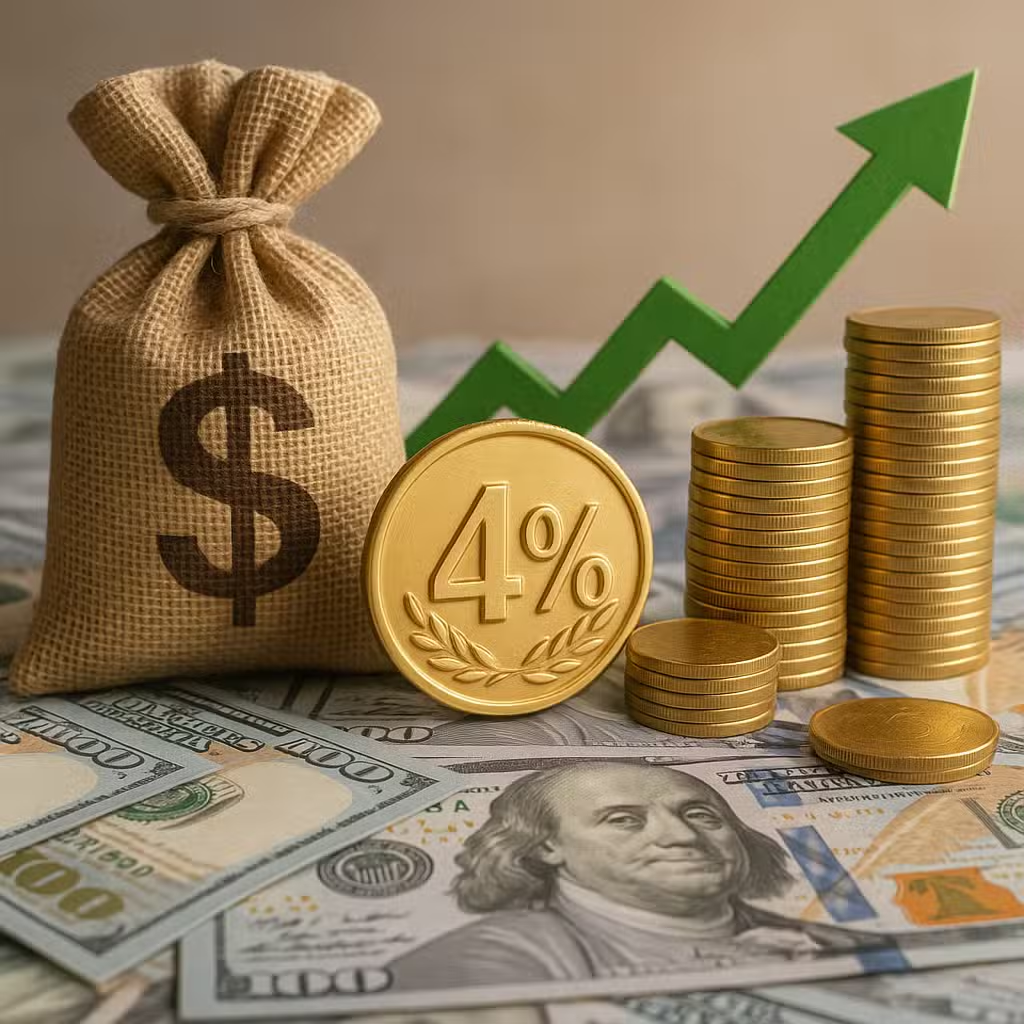
- CDs (Certificates of Deposit): Banks like Marcus by Goldman Sachs and Sallie Mae are offering around 4% annual yields on 12-month CDs. This is much higher than the national average for savings accounts, which is only 0.62% (Bankrate).
- High-Yield Savings Accounts: Bread Financial and LendingClub are offering savings rates around 4%—again, far above the average. But remember, these rates can change anytime.
If you lock in a CD now, you keep that rate for a year, even if rates drop further. That’s like putting your snowball in the freezer—it won’t melt, no matter how hot it gets outside.
The Flip Side: Rates Are Coming Down
- Falling Yields: Earlier this year, it was easy to find CDs over 5%. Now, the best ones are closer to 4%, and experts expect them to drop more in 2025.
- Brokerage Cash Sweeps: If you keep uninvested cash at a brokerage, be careful. Firms like Charles Schwab, eToro, and Robinhood have all trimmed the interest they pay on cash. For example, Schwab just cut its sweep rate to just 0.01% (CNBC).
- Variable Rates: High-yield savings rates can drop at any time, unlike CDs, which lock your rate in for the term.
Bull Case: Reasons to Feel Good
- Still-Beating Inflation: Some top CDs and savings accounts are still offering rates above inflation, which was about 3.1% in November 2023 (Bureau of Labor Statistics).
- Safe and Simple: CDs and savings accounts are low-risk ways to earn a bit of passive income while waiting for better investment opportunities.
- Locked-In Returns: With a CD, your rate can’t go down, even if the Fed cuts rates again.
Bear Case: Reasons to Be Careful
- Rates Keep Dropping: If you wait too long, you might miss out on today’s higher rates.
- Money Gets Stuck: With CDs, your cash is locked up. If you need it early, you might pay a penalty.
- Better Options Elsewhere: If the stock market or bonds start offering better returns, sitting in cash might mean missing out on growth.
Historical Context and What’s Next
Interest rates on savings and CDs are much higher than they were from 2010 to 2021, when the average savings yield rarely topped 0.1%. But as the Federal Reserve lowers rates to help the economy, these “easy” gains are fading. Historically, after rate cuts, CD and savings rates tend to fall for months afterward (Federal Reserve Economic Data).
Experts, like those at Bank of America, expect more cuts in cash rates over the next year as banks and brokerages adjust to the Fed’s decisions. That means it could get harder to find a good home for your cash soon.
Investor Takeaway
- Act Fast: If you want a higher yield on your cash, consider locking in a CD or moving to a high-yield savings account now, before rates drop further.
- Shop Around: Compare rates at different banks and brokerages—some pay much more than others.
- Watch Your Maturity Dates: If you use CDs, set reminders for when they mature so you can move your money if the new rate isn’t as good.
- Balance Risk and Flexibility: Decide how much cash you can afford to lock up, and keep the rest in accounts where you can access it easily.
- Keep an Eye on the Fed: Rate changes from the Federal Reserve will keep moving the target, so stay informed and adjust your strategy as needed.
For the full original report, see CNBC