Tariffs and Cremation Trends Reshape Outlook for Monument and Gravestone Industry Investors
Think of the memorial monument business like a small bakery in town. If the price of flour suddenly jumps and people start eating less bread, that bakery faces a double challenge. The same thing is happening to companies that make headstones and grave markers—they’re getting squeezed by both higher costs and changing customer habits.
Why Investors Should Care
This story is about more than just headstones. It shows how trade policies and shifting traditions can impact entire industries—and the portfolios tied to them. If you invest in small manufacturers, materials, or companies focused on traditional services, these trends could affect your returns.
Tariffs: The Tough Side
- Rising Costs: Tariffs on granite from places like China and India have forced U.S. monument makers to pay much more for materials. One business saw its import tax rate jump from 29% to 59% in just a year.
- Uncertainty: Companies don’t know when tariffs might change, making it hard to plan. Some have to update prices every two months instead of once a year.
- Squeezed Margins: Small businesses can’t easily pass these costs onto grieving families, so many are absorbing losses themselves.
- Global Sourcing Issues: Some special types of granite only come from certain countries, so switching to American suppliers isn’t always possible.
According to the Brookings Institution, most U.S. tariffs are paid by American companies, not foreign exporters—so these cost hikes hit home fast.
Changing Traditions: The Other Challenge
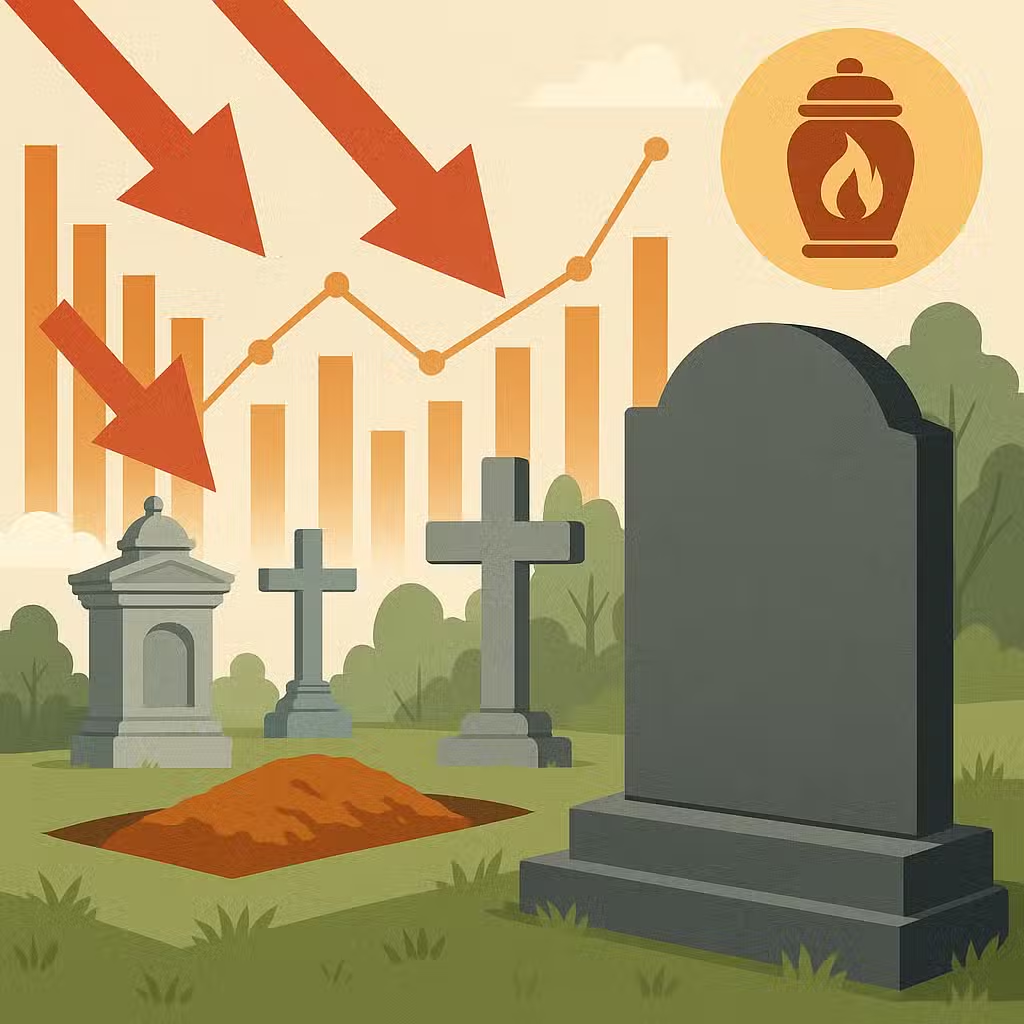
- More Cremations: The U.S. cremation rate has jumped from under 40% fifteen years ago to over 60% in 2024. It’s expected to keep climbing, with two out of every three people choosing cremation by 2029 (Cremation Association of North America).
- Less Demand for Headstones: Fewer traditional burials means less need for big granite markers.
- Adapting Products: Some monument makers are pivoting to new products, like memorial plaques for cremated remains or even “rainbow bridge” monuments for pets.
- Industry Consolidation: As demand falls, some companies are merging or expanding their service areas to survive.
Bull vs. Bear: Both Sides for Investors
- Bull Case:
- Some businesses are finding new opportunities, like memorials for cremated remains or pet memorials.
- Companies that adapt quickly could capture more market share as competitors fold or merge.
- Tariff changes can sometimes be reversed, offering potential for cost relief in the future.
- Bear Case:
- Rising costs and falling demand could drive more small businesses out of the market.
- Uncertainty makes it hard for investors to predict future profits.
- Social trends like cremation may permanently shrink the market for traditional memorials.
Historical Perspective
Shifts like this aren’t new. For example, when digital cameras replaced film, companies like Kodak struggled because they didn’t adapt fast enough. Investors who spotted the trend early had a chance to move their money before big losses hit.
Investor Takeaway
- Watch for companies in traditional industries that are quickly adapting—these may be safer bets than those standing still.
- Diversify your portfolio so you’re not overexposed to sectors facing big headwinds from tariffs or changing consumer habits.
- Follow policy news—trade changes can hit supply chains fast, so stay alert for updates.
- Consider the long-term: Social trends like cremation could reshape entire industries, so look for investments that can weather or benefit from these changes.
- If you own shares in companies like monument makers, check how they’re shifting their business to survive—and if they’re communicating clearly with investors.
For the full original report, see CNBC